
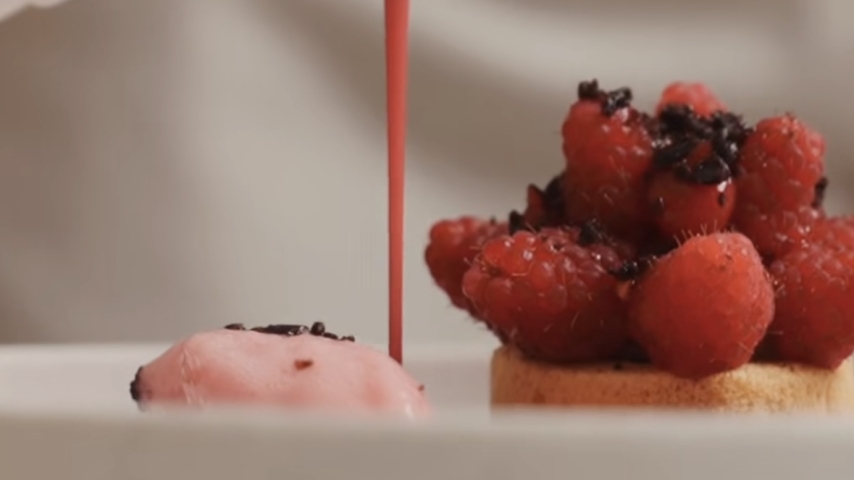
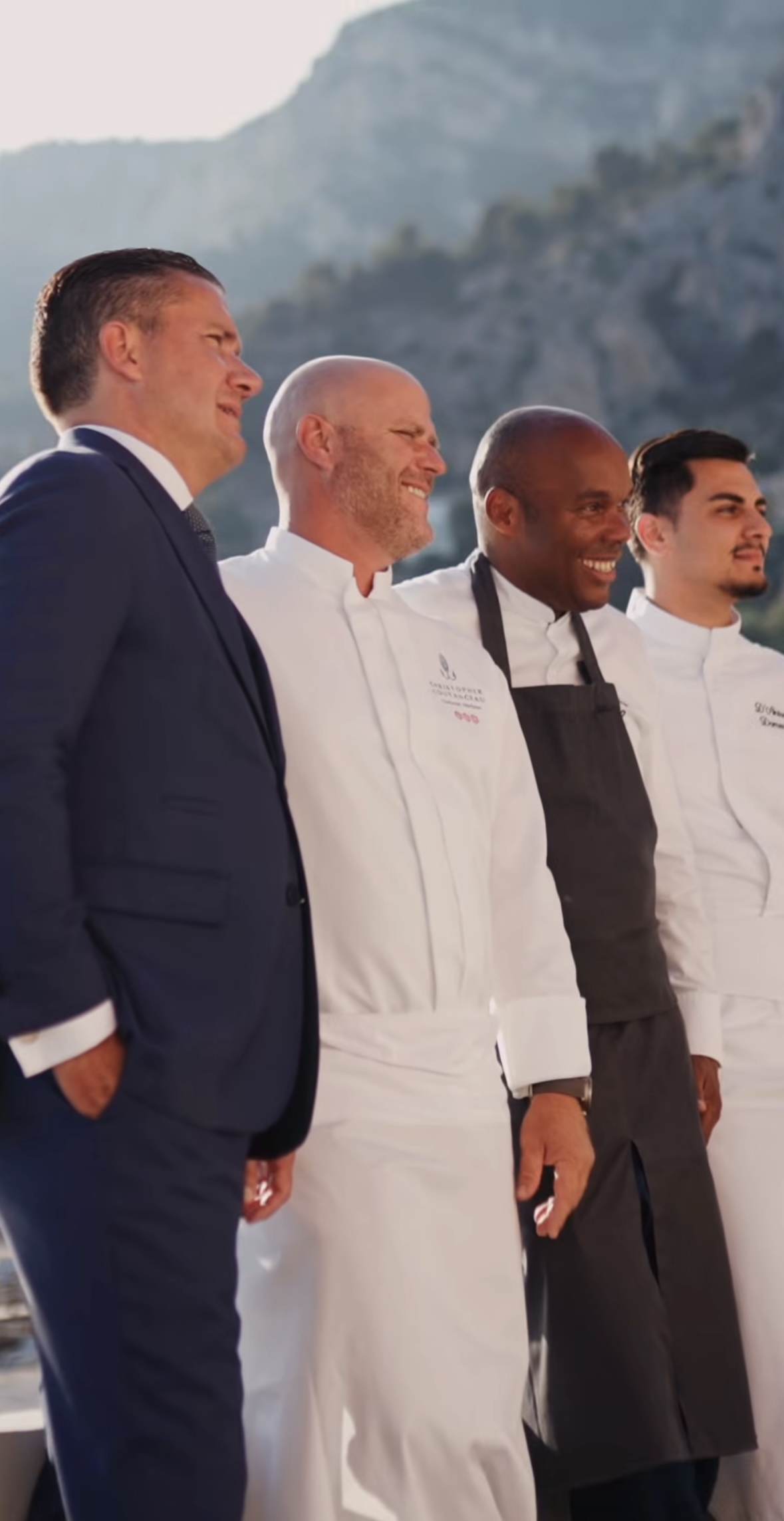
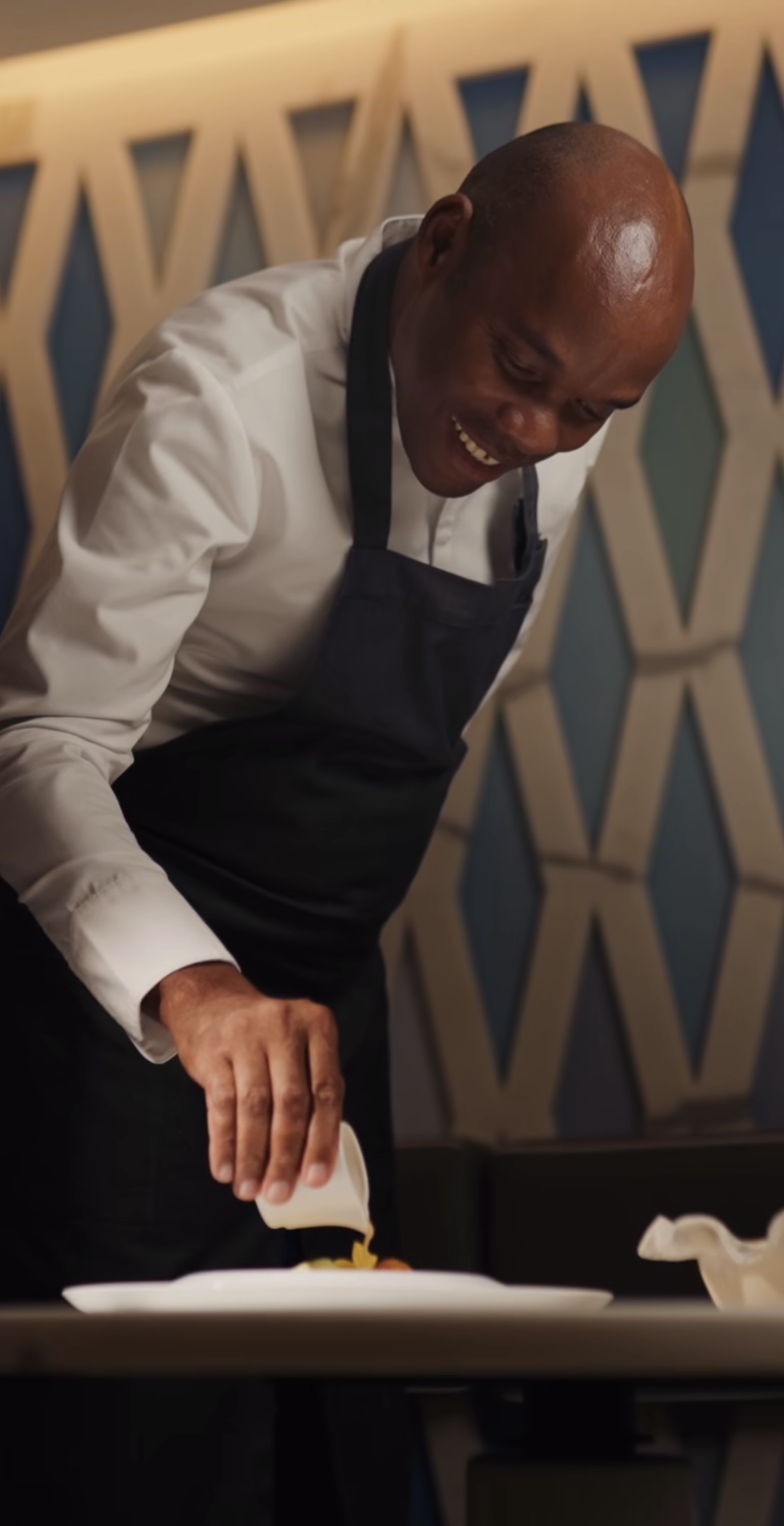
In an era when high gastronomy increasingly grapples with its ecological footprint, the Mediterranean remains both a delicate ecosystem and a powerful canvas for culinary innovation. At Elsa, the seaside restaurant situated within the historic 1930s Monte-Carlo Beach hotel, that duality took center stage during a recent four-hands dinner uniting three distinguished culinary figures: Executive Chef Marcel Ravin, resident Chef Domenico D’Antonio, and guest Chef Christopher Coutanceau.
The evening’s central showcase - a specially curated menu titled Jardin Marin (Marine Garden) - offered a deliberate exploration of the interplay between terrestrial produce and sustainable marine resources. Framed against the sweeping backdrop of the Mediterranean horizon, the event reflected a growing movement within European fine dining toward strict environmental stewardship without sacrificing technical rigor.
Chef Marcel Ravin, who also holds two Michelin stars at Blue Bay in Monaco, has long championed an approach that bridges his Martinican heritage with contemporary French technique and local Riviera sourcing. Alongside Chef Domenico D’Antonio - who translates the daily yield of the Mediterranean with precision - and Chef Christopher Coutanceau, renowned for his uncompromising commitment to ocean conservation and anti-waste marine cookery, the trio presented dishes designed as a dialogue between land and sea.
The Jardin Marin concept draws its ingredients from tightly regulated channels. The kitchen utilizes certified sustainable seafood aligned with Mr. Goodfish standards alongside seasonal, sun-ripened flora cultivated at the nearby Domaine d’Agerbol in Roquebrune-Cap-Martin. Dishes pairing deep-sea flavors with garden botanicals - such as iodized sea minerals paired with earth-rooted vegetables - emphasized how conservation ethics can directly inform culinary artistry.
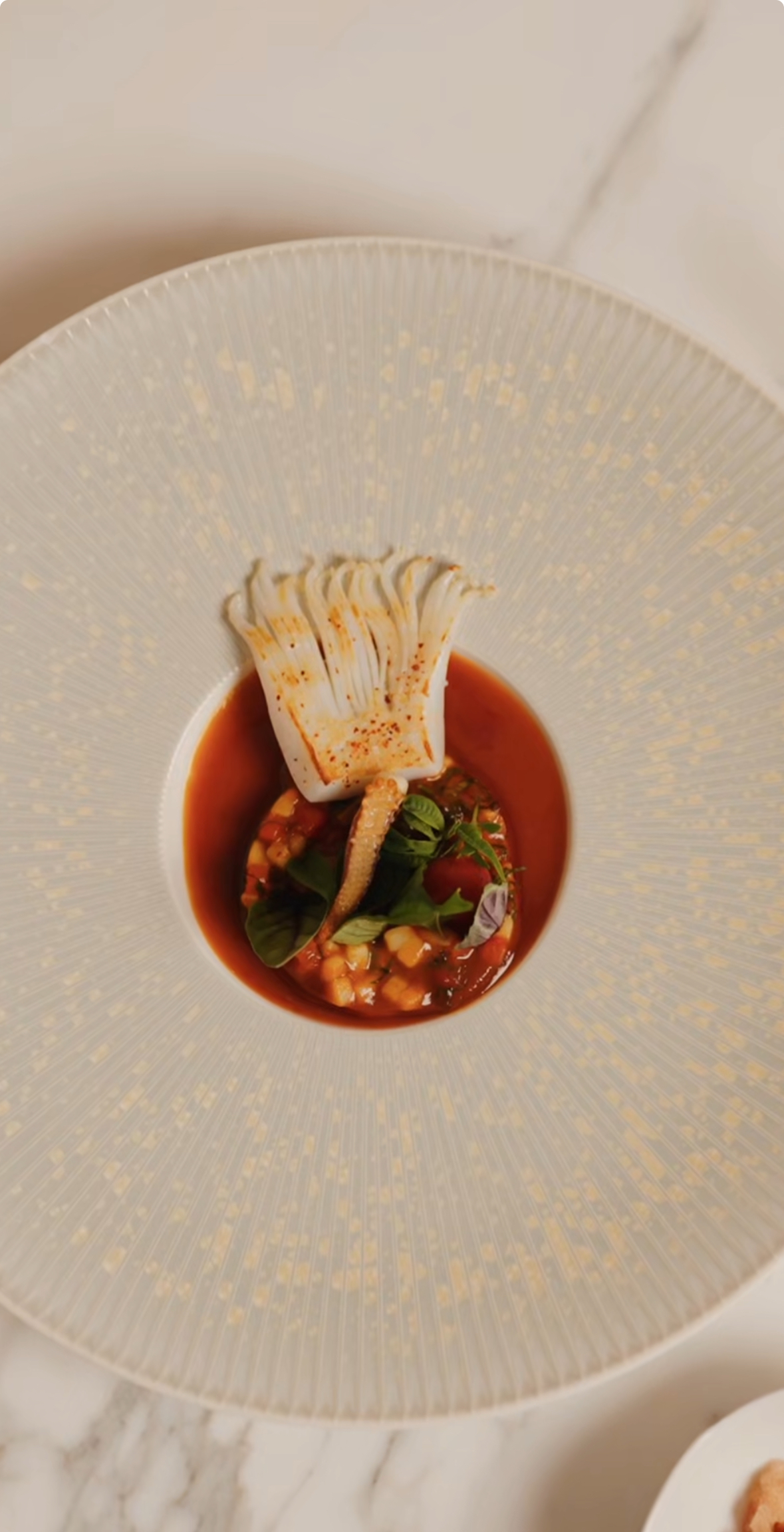
Gastronomic gatherings of this nature signal a broader shift in Monaco’s culinary narrative. Long associated primarily with opulent tradition, the dining scene under Monte-Carlo Société des Bains de Mer is increasingly defined by sustainable practice and collaborative discipline. By inviting leading ocean-minded chefs into a shared kitchen, Elsa reinforces a compelling thesis: that the future of luxury dining lies not in unrestricted abundance, but in profound respect for seasonal ecosystems and marine biodiversity.
Photo Credits: Monte-Carlo Société des Bains de Mer Instagram