
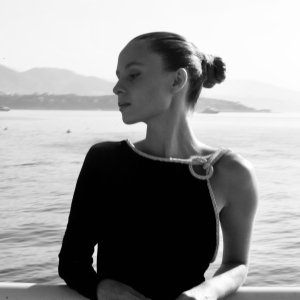
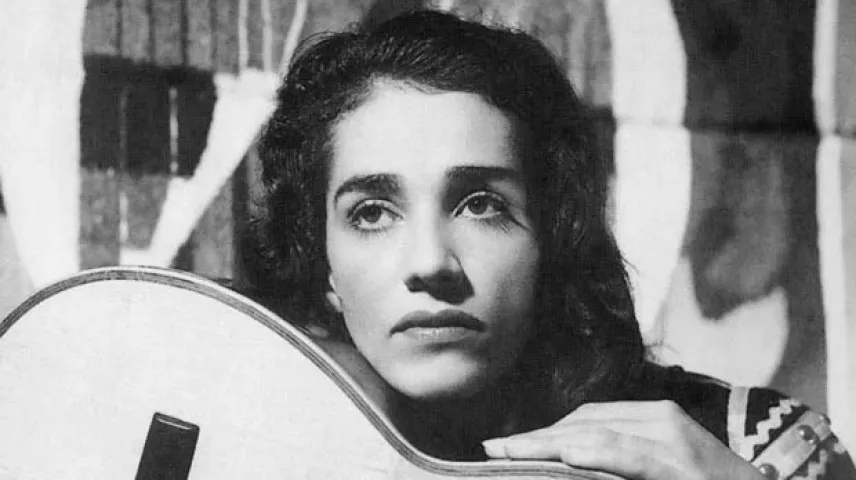
Photo credits: Chavela Vargas Film. Chavela Vargas
Secrets of Success, Love, and Life: The Legacy of the World’s Visionaries. A recurring Monaco Voice column exploring the lives, achievements, and philosophies of the world’s most influential visionaries, uncovering the secrets behind their success and enduring legacies curated by actress Vladyslava Garkusha.
Born María Isabel Anita Carmen de Jesús Vargas Lizano on April 17, 1919, in San Joaquín de Flores, Costa Rica, she began life with struggles that would shape the unflinching woman she became.
Childhood and Leaving Home
Her early years were marked by change. Daughter of Francisco Vargas and Herminia Lizano, she experienced her parents’ divorce and contracted poliomyelitis. These early challenges forged a resilience she would carry for the rest of her life.
By 17, she left Costa Rica for Mexico City, determined to live on her own terms. The city, vibrant and full of music, would become her lifelong home.
Finding Her Voice
Chavela’s first performances were in cantinas and on the streets, her guitar her only companion. Ranchera music was dominated by men and mariachi bands, but she offered something different: stripped-down, raw, intimate. Her voice spoke of heartbreak, desire, and freedom.
She dressed like herself, not like anyone expected: men’s pants, ponchos, cigars in hand. The woman and the singer were inseparable.
Music, Life, and Truth
Her first album, Noche Bohemia (1961), marked the start of a career spanning over 80 albums, including La Llorona, Paloma Negra, and Macorina. She lived her music as much as she performed it.
Life was not without darkness. In the 1970s, she withdrew from public performance because of alcoholism. In the 1990s, Spanish filmmaker Pedro Almodóvar championed her music, bringing it to international audiences and framing her work in cinema with renewed appreciation. She performed on world stages, from Mexico City’s Palacio de Bellas Artes to Carnegie Hall in New York.
“When you like something, you should do it all night long.” - Chavela Vargas
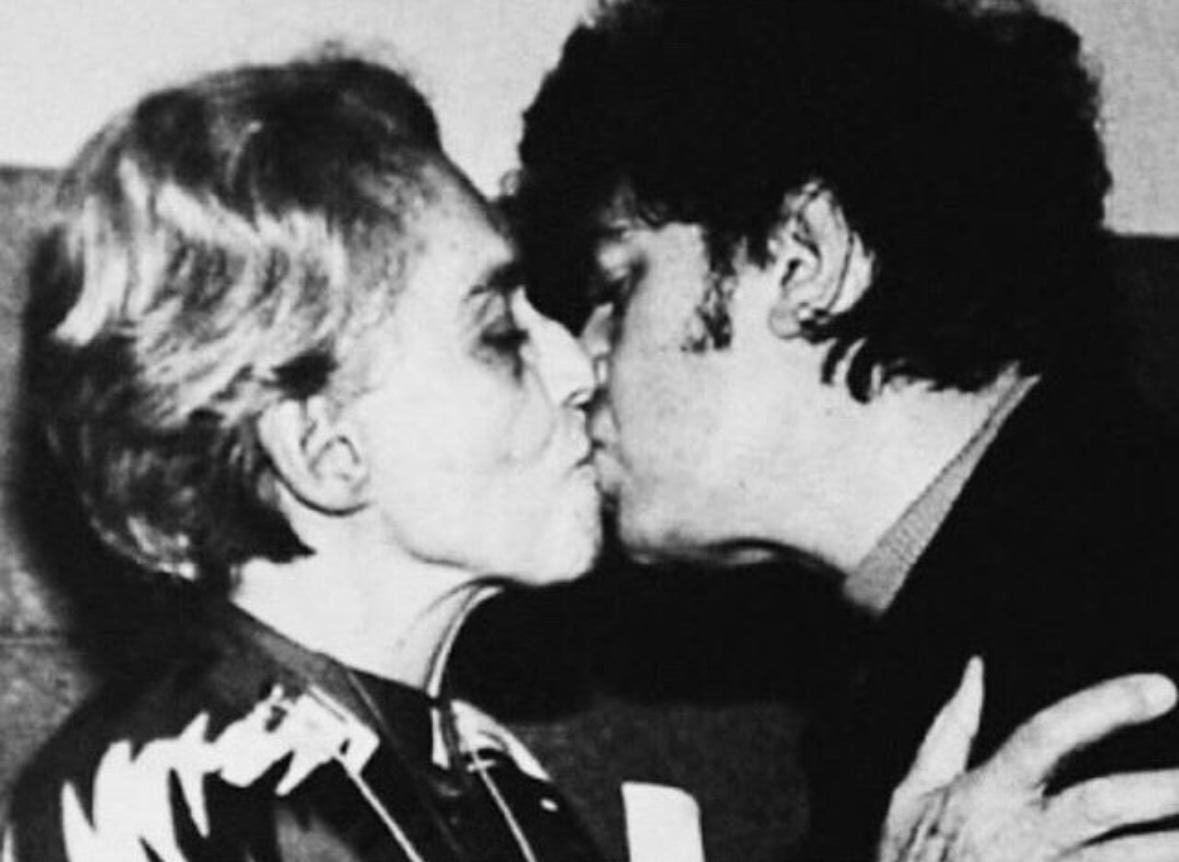
Photo credits: Chavela Vargas Instagram page. Chavela Vargas and Pedro Almodóvar
Love, Identity, and Living Out Loud
Chavela Vargas never married. She publicly identified as lesbian in her 2002 autobiography, Y si quieres saber de mi pasado, but she had lived her truth long before the world caught up. She sang male-directed ranchera songs without changing the pronouns.
She was part of Mexico’s vibrant artistic circles and associated with luminaries like Diego Rivera and his wife Frida Kahlo; she and Kahlo have been romantically involved in the 1940s and 50s.
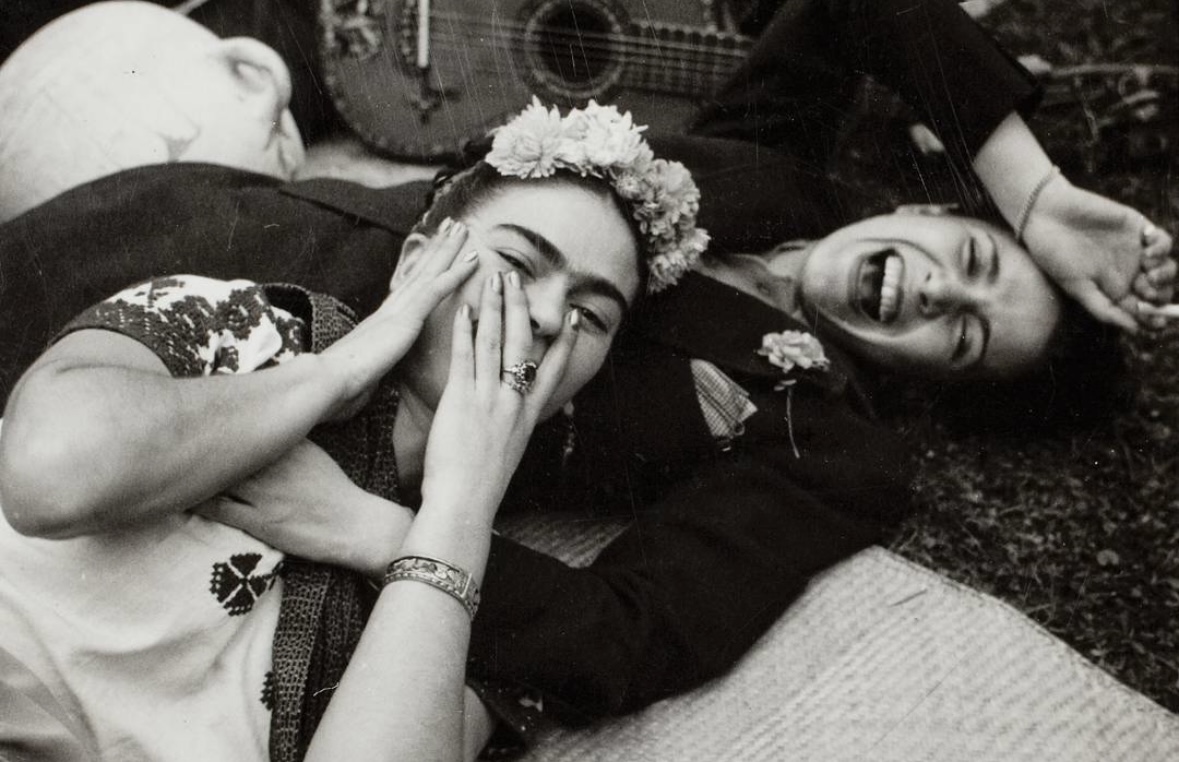
Photo credits: Photo credits: Chavela Vargas Instagram page. Chavela Vargas and Frida Kahlo
Chavela described the moment she met Frida Kahlo like this:
“I was dazzled when I saw her face, her eyes. I thought she was not a being from this world. Her joined eyebrows were a swallow in full flight. Without yet having the maturity of the woman within me, for I was still very young, I sensed that I could love that being with the most complete love in the world, the most bound love in the world.”
Legacy
In 2007, she received a Latin Grammy Lifetime Achievement Award, a recognition that felt inevitable. She died on August 5, 2012, in Cuernavaca, Mexico, at 93.
“I am a friend of life, at 80 life tells me to behave like a woman and not like an old woman.”
She lived the way she sang: fiercely, passionately, boldly, without compromise.