

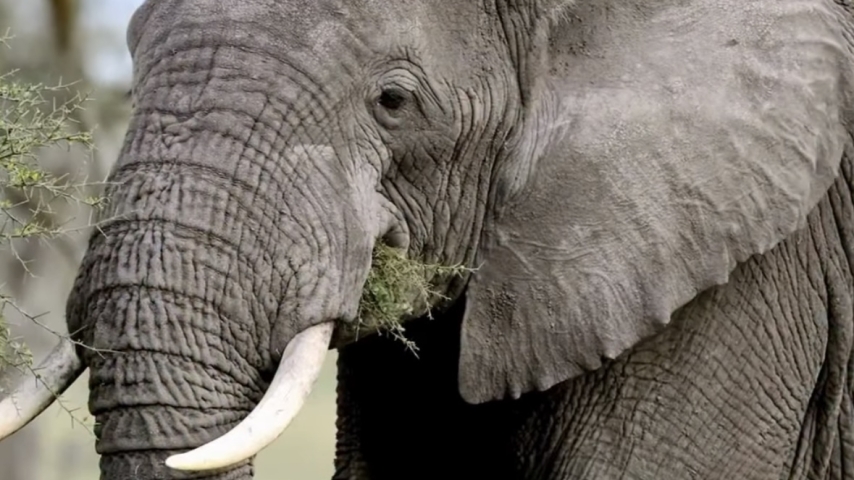
In the vast landscapes of the Ruaha-Rungwa region of Tanzania, the delicate balance between wildlife conservation and human livelihoods remains one of the central challenges of environmental stewardship. A project supported by the Fondation Prince Albert II de Monaco seeks to address that challenge by strengthening cooperation between local communities and the elephants that share their land.
Working in partnership with the Southern Tanzania Elephant Program, the initiative focuses on improving coexistence between people and elephants in this ecologically significant region of southern Tanzania. The Ruaha-Rungwa ecosystem is home to important elephant populations, yet it is also a landscape where rural communities depend heavily on agriculture and natural resources for survival.
Conflicts between humans and elephants can occur when wildlife moves through farmland or villages, often resulting in damaged crops and economic hardship for local households. The project supported by the foundation aims to respond to these challenges through practical and community-centered measures.
Among its priorities is strengthening the capacity of wildlife rangers to respond effectively to human-elephant conflicts. Rangers serve as a crucial first line of response, helping manage encounters and mitigate risks when elephants move near settlements or agricultural areas.
The initiative also works to engage local communities directly in conservation efforts. By involving residents in the protection of wildlife and encouraging shared responsibility for the surrounding ecosystem, the project seeks to build a model in which conservation benefits both nature and people.
Another component focuses on developing alternative livelihood strategies designed to reduce vulnerability among rural households. By diversifying sources of income and improving resilience, these efforts aim to lessen the economic impact of crop losses and other challenges associated with living alongside large wildlife.
The approach reflects a broader understanding that conservation cannot succeed without the participation and support of those who live closest to wildlife. Protecting elephants, the project suggests, must go hand in hand with strengthening the communities that coexist with them.
In the Ruaha-Rungwa region, that principle is at the heart of the effort: safeguarding biodiversity while supporting the resilience of rural households.
Photo credit: Fondation Prince Albert II de Monaco Instagram