

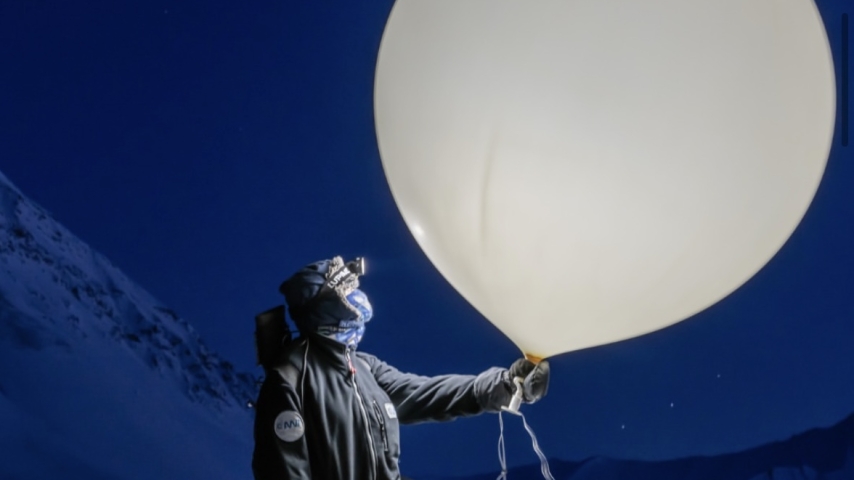
In the high-latitude isolation of Ny-Ålesund, Svalbard, where the sun remains below the horizon for months, Hungarian photographer Esther Horvath finds a rare clarity. A fellow at the International League of Conservation Photographers and a frequent collaborator with National Geographic, Ms. Horvath has spent the last decade documenting the front lines of climate science in the Earth’s most unforgiving climates.
Her latest project, featured in the Prince Albert II of Monaco Foundation’s Impact magazine, focuses on the "Women of Arctic Science." The series was born from her experiences during the MOSAiC expedition, where she spent four months in total darkness. That period of intense isolation inspired her to return to Svalbard in 2021 - despite the logistical hurdles of a global pandemic - to capture the lives of women dedicated to polar research.
Life in Ny-Ålesund, a settlement of roughly 40 people during the winter, is dictated by the environment. Residents navigate a landscape where polar bear safety training is mandatory and carrying a rifle is a prerequisite for leaving town. For Ms. Horvath, the technical challenges are equally daunting: batteries drain in minutes, hands freeze while adjusting settings, and tripod-mounted lights can be swept away by Arctic winds.
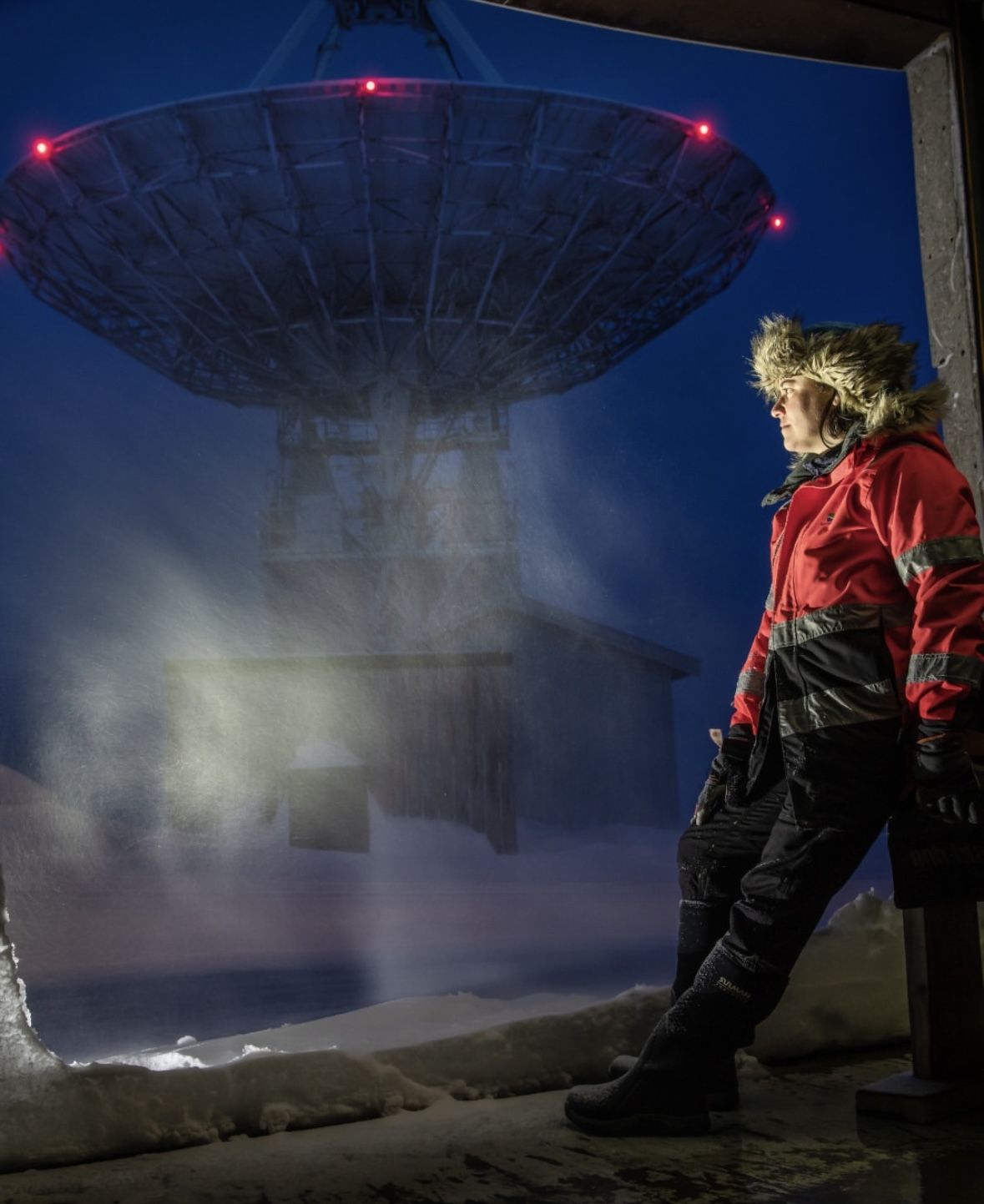
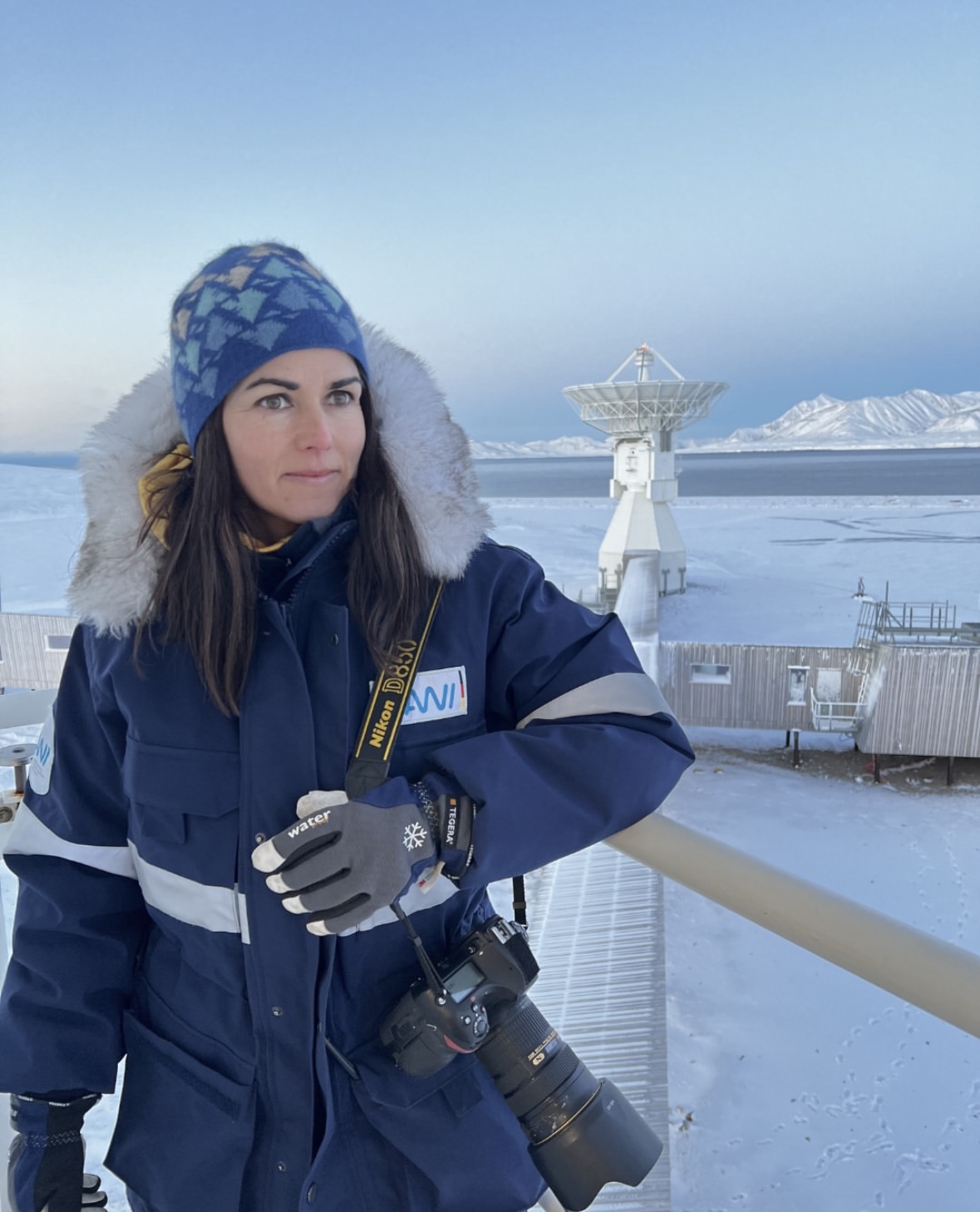
Yet, Ms. Horvath describes the experience as transformative. "Being in the polar darkness is like living inside a glass bubble," she says, noting that the extreme isolation forces a slowing of time and a heightened presence. "Everything in the world fades away... you inhabit the present moment more."
Ms. Horvath, whose work earned her a World Press Photo Award in 2020 and a Wayfinder Award in 2024, views her photography as a bridge between the remote realities of climate change and a world often distracted by urban life. In the silence of the polar night, under a sky lit only by stars and the Aurora Borealis, she documents the researchers who are making the rapid warming of the Arctic visible to the rest of the planet.
Photo Credit: Prince Albert II of Monaco Foundation Instagram