

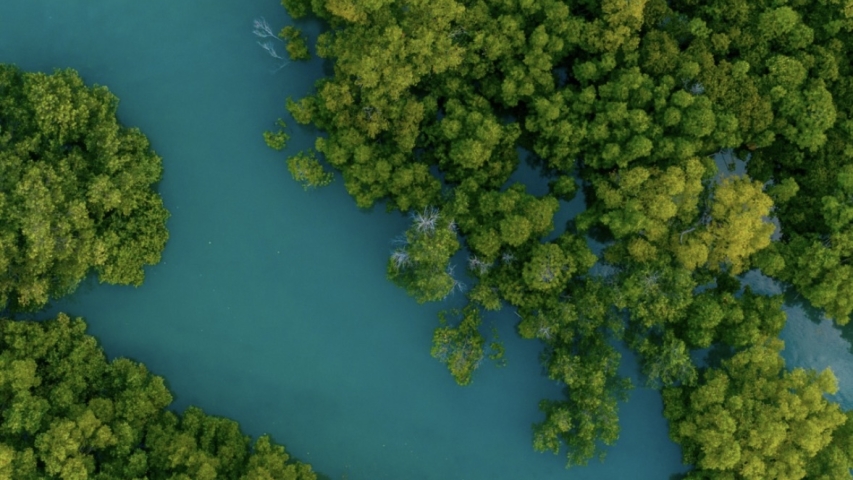
Highlighting the critical intersections of biodiversity conservation and community climate resilience, the Prince Albert II of Monaco Foundation has reinforced its institutional backing for an ongoing ecological initiative in West Africa. The 36-month initiative, spearheaded by the international non-governmental organization Louvain Coopération, targets the preservation and restoration of vital mangrove ecosystems across southern Benin.
Mangroves in the sub-Saharan coastal corridor serve as indispensable ecological infrastructure, providing foundational support for local community livelihoods, regional biodiversity, and natural coastal buffers against rising sea levels. However, these delicate habitats face severe degradation from escalating environmental pressures, including heightened soil salinity, prolonged droughts, resource exploitation, and broader anthropogenic activities. To counter these systemic disruptions, the multi-year project focuses on structural remediation by reinforcing decentralized local environmental governance, broadening civic awareness, facilitating local knowledge-sharing networks, and implementing standardized best practices for habitat rehabilitation.
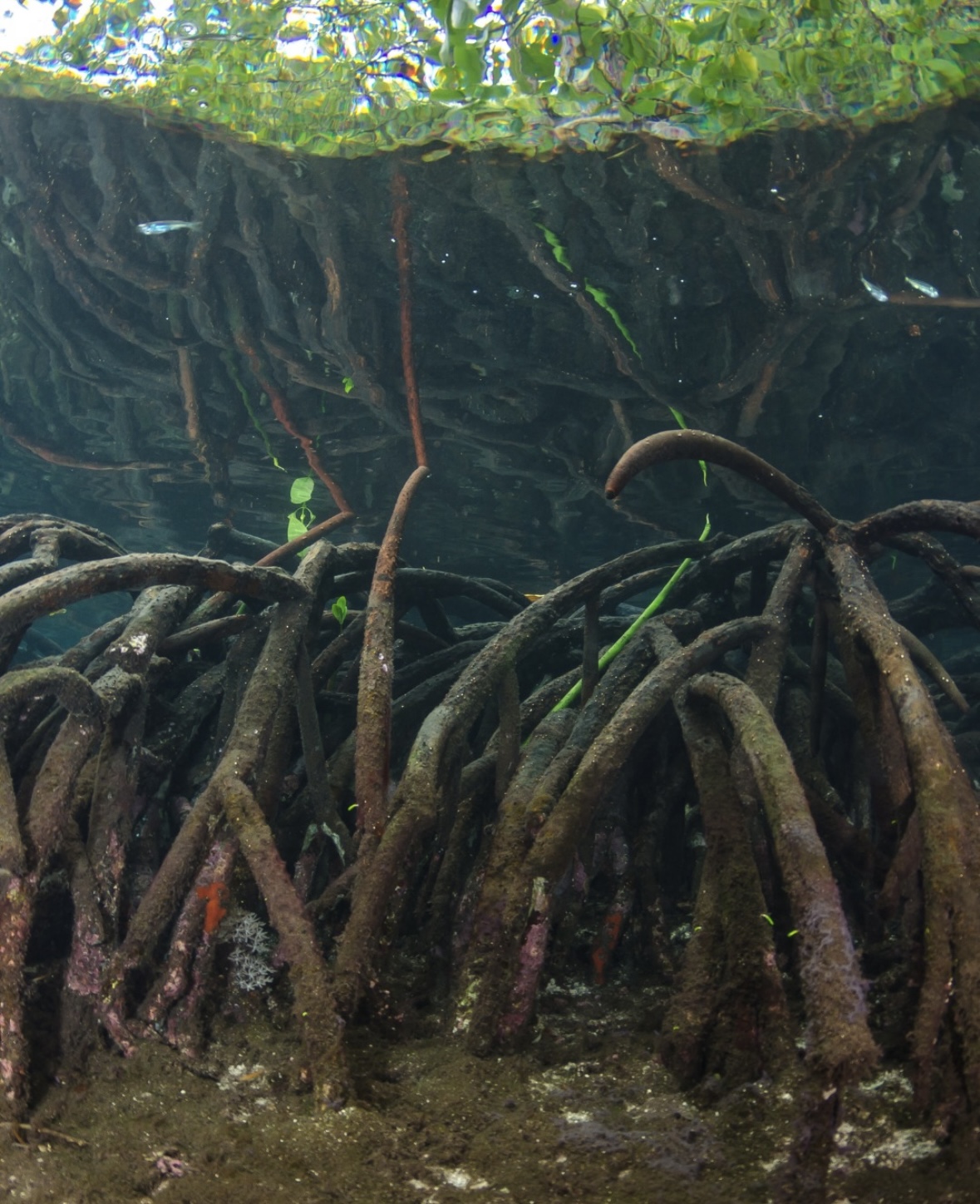
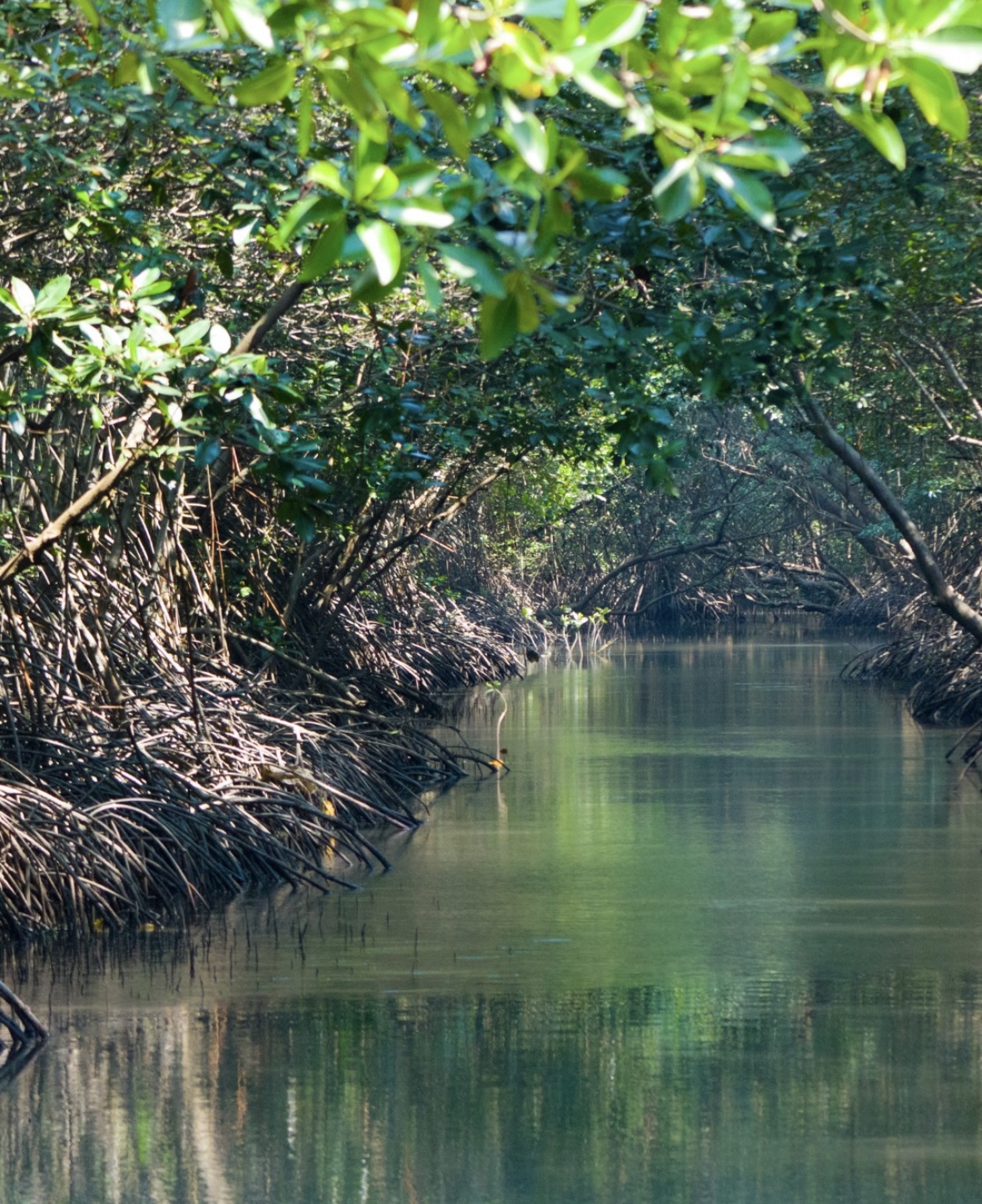
The strategic initiative aims to achieve concrete environmental benchmarks over its three-year timeline, including the formal optimization of regulatory governance frameworks, enhanced community access to essential ecosystem services, and the direct conservation or active restoration of 150 hectares of threatened mangrove forests. By linking local civic governance with international conservation capital, the initiative highlights a scalable paradigm for preserving critical blue carbon sinks in vulnerable tropical regions.
Photo Credit: Prince Albert II of Monaco Foundation Instagram