

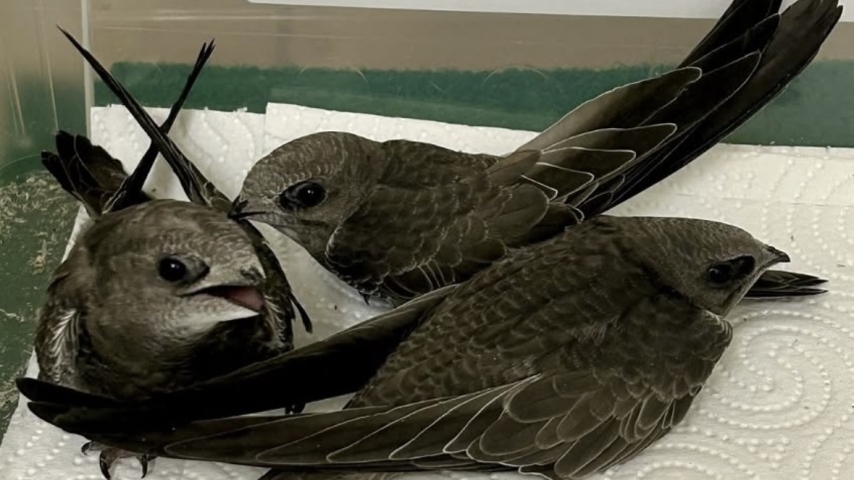
As summer temperatures reach unprecedented peaks across Southern Europe, urban wildlife centers are encountering a mounting ecological crisis. Staff at the Jardin Animalier Rainier III in Monaco, alongside local firefighters, face an influx of distressed common swifts (Apus apus) delivered continuously throughout the warmest weeks of the year.
The primary catalyst for these groundings is the intense thermal radiation trapped beneath urban infrastructure. Nests constructed under roof tiles routinely reach interior temperatures as high as 60°C (140°F). Seeking escape from the sweltering heat, young birds venture too close to the exit and fall to the ground. The threat is further compounded by severe drought conditions, which drastically reduce the availability of flying insects. Parent swifts exhaust themselves attempting to forage across depleted landscapes, while collisions, unpredictable weather, and urban predation present constant additional hazards.
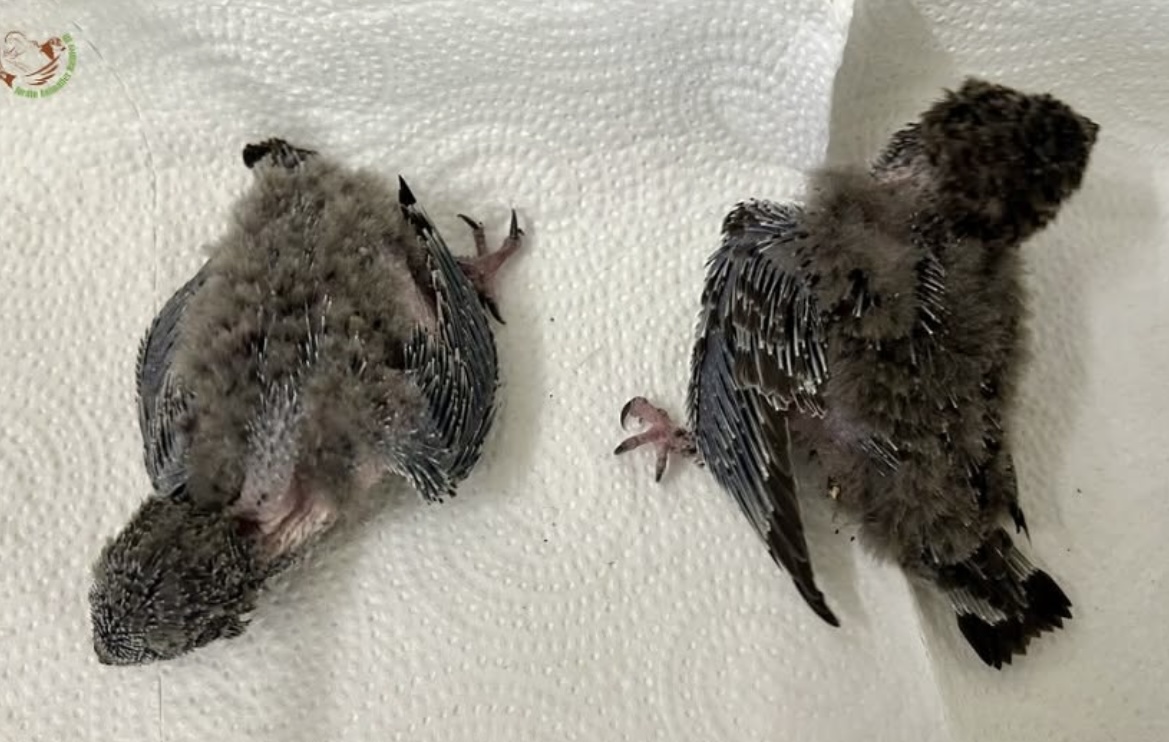
Wildlife rehabilitation experts emphasize that public intervention must be immediate yet careful. Anyone who discovers a fallen swift on the ground should place the bird inside a dark, ventilated box to mitigate shock. Rescuers caution strictly against attempting to feed the bird or provide water, as improper care can prove fatal. Direct delivery to a qualified animal welfare authority remains the single viable path toward rehabilitation and eventual release.
Photo Credits: Jardin Animalier Rainier III Instagram