

WHEN the full-time whistle sounded on the World Cup final on Sunday in New York City, the baton was passed to the hosts of the 2030 tournament: Portugal, Spain and Morocco.
The 2026 edition, spread across the United States, Canada and Mexico, had been a showcase of scale - vast stadiums across sprawling distances.
The 2030 FIFA World Cup returns football to the more modest peninsula that gave the modern game some of its greatest stages.
In doing so, it hands Europe a rare opportunity: a chance to host an event that has spent much of the last two decades touring the world in search of new audiences (think Qatar, South Africa and, yes, the USA), rather than simply consolidating its old ones.
It will be 48 years since Spain last hosted, in 1982, and they will return as the all-conquering heroes; champions for just the second time in their history
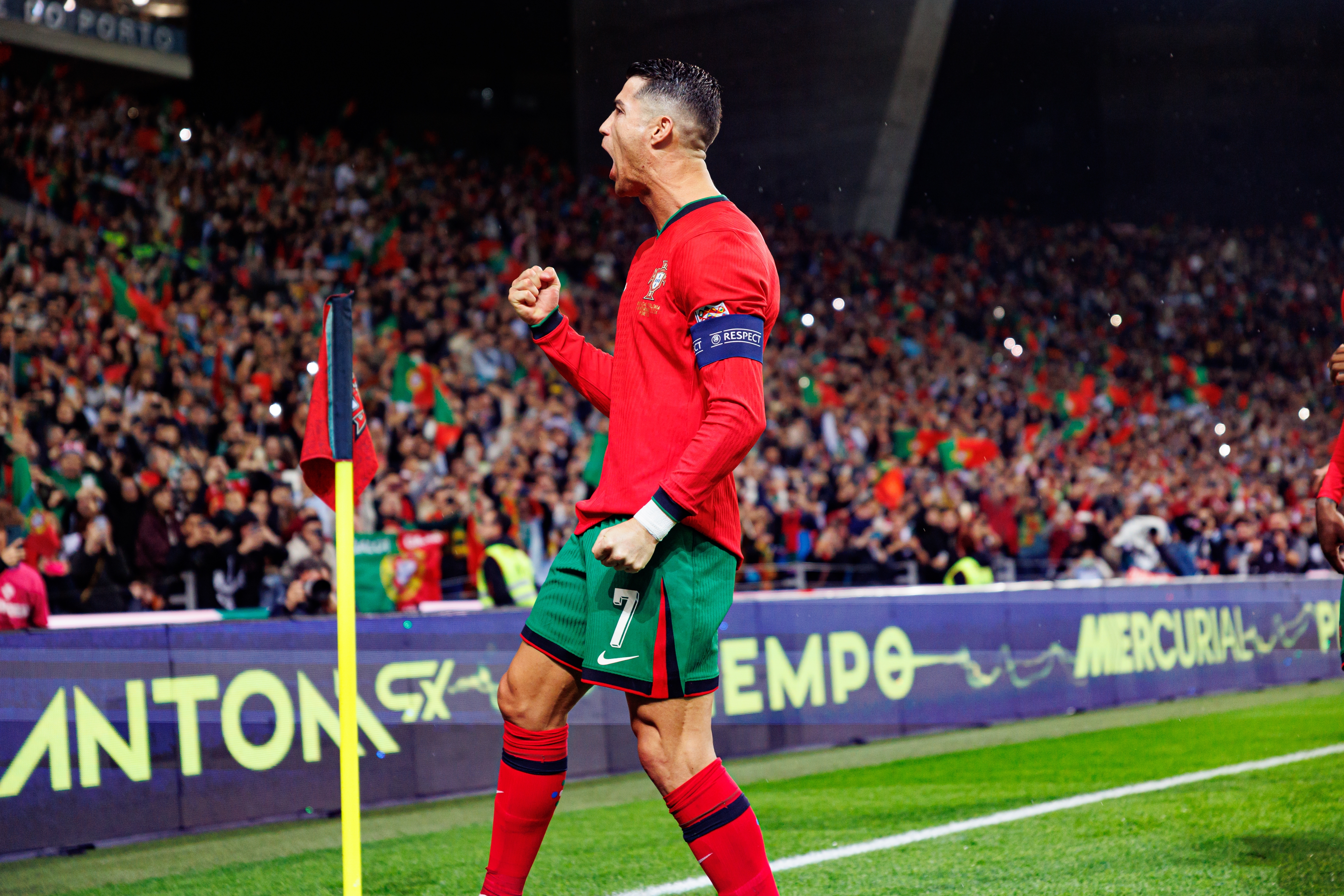
For Portugal, it will be a first. And, as its iconic player Cristiano Ronaldo said, “a dream come true” for the nation.
While the sport’s governing body FIFA has been explicit about wanting to grow the game in new markets, the 2030 tournament is a significant one.
And with FIFA’s rules meaning no host continent can bid once again for the following two cycles - in other words, Europe won’t get the chance to host again until 2042 at the earliest - it cannot afford any slip-ups.
Especially as 2030 marks the 100th anniversary of the tournament, with the opening three games taking place in Uruguay, Argentina and Paraguay.
The event will, however, demonstrate that mature footballing nations can still deliver something the newer hosts cannot - infrastructure that barely needs building, stadiums steeped in history, and a fan culture six decades deep.
For Spain, the numbers being modelled are substantial. According to figures cited by law firm DLA Piper, Spain expects to spend around €1.43 billion on hosting costs, but anticipates generating more than €5bn in economic benefit and the creation of more than 82,000 jobs.
With 11 of its original stadiums put forward (two have since withdrawn, with replacements under discussion), Spain is shouldering the largest share of the tournament's footprint, and the largest share of its expected return.
Portugal's numbers are smaller in absolute terms but striking relative to the size of its economy.
A study by PwC, commissioned by the Portuguese Football Federation and published in December 2024, projects a GDP impact of between €700-900m alongside tax revenue of €312–394m and between 18,000 and 23,000 jobs.
The same study estimates a boost to foreign direct investment of €104–313m, framing the tournament less as a sporting event than as a reputational dividend: a chance to raise Portugal's profile among the kind of international investors it has been so keen to court over recent years.
Luís Montenegro, Portugal’s Prime Minister, said: “In all three countries, for each euro invested, in principle, there is a return of 1.8 euros.
“In the Portuguese case, each euro invested will result, according to the study, in a return of 8.5 euros.
“Therefore, we have a much greater impact in Portugal than in our other co-organising partners.”
Adds Portuguese legend Figo - the former Barcelona and Real Madrid star: “Portugal, Spain and Morocco are countries with football at their heart.
“In Portugal, hosting the FIFA World Cup 2030 will bring the country together like never before. It will, of course, be a great opportunity to showcase Portugal to the world, and I’m excited about the potential to highlight all regions of our beautiful country.”
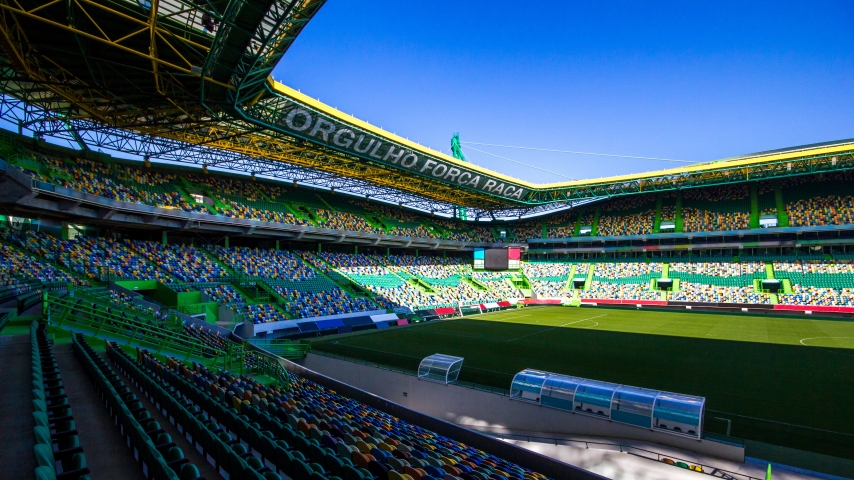
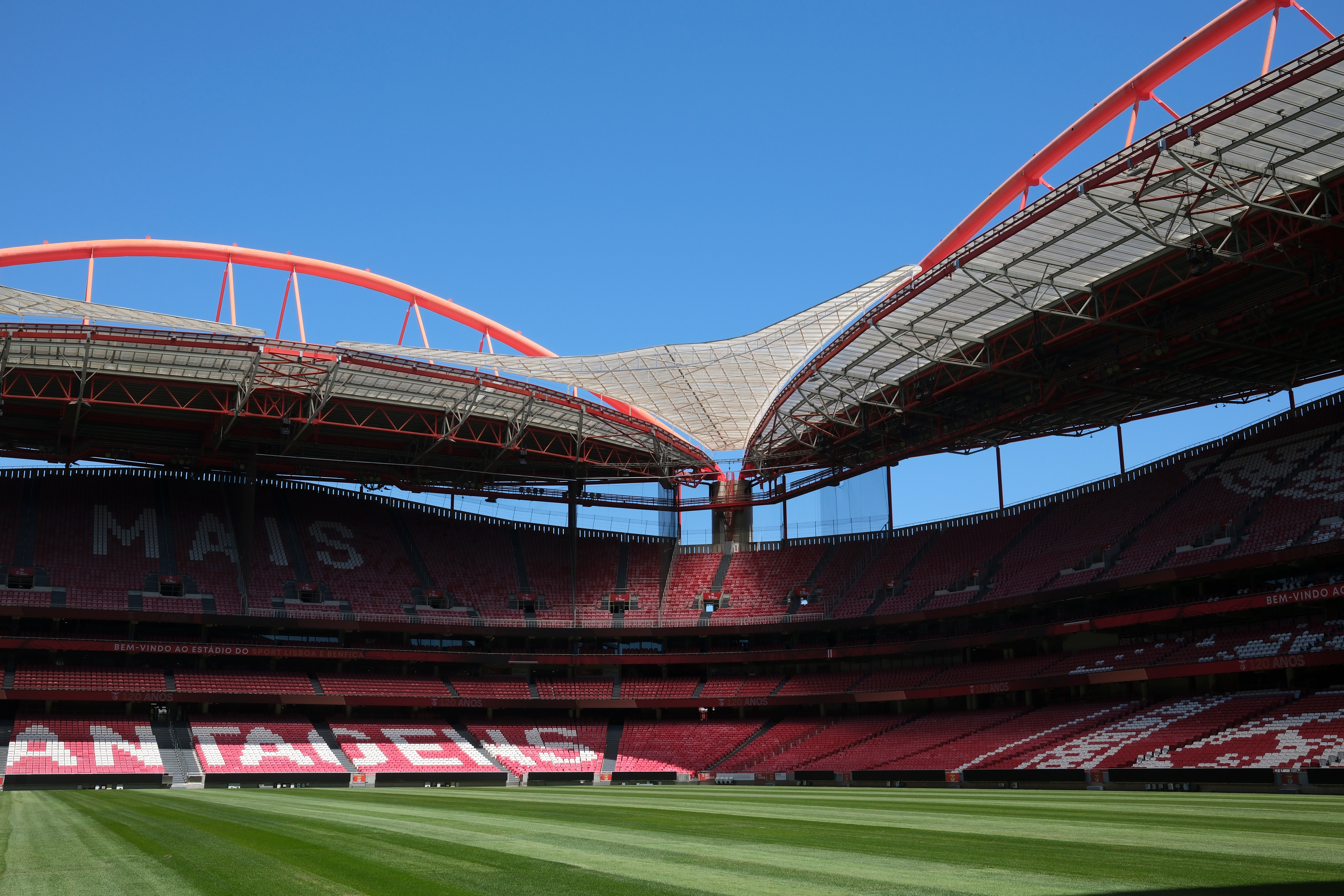
Notably, Portugal's costs are expected to be comparatively modest, since Estádio da Luz, Estádio José Alvalade (both in capital Lisbon) and Estádio do Dragão (in Porto) were all built for UEFA’s Euro 2004 tournament and require only modernisation rather than reconstruction.
Paul Stannard is chairman of Portugal Pathways, an organisation that advises high-net-worth individuals and entrepreneurs on investing and relocating to Portugal.
He is expecting the impact of 2030 to be significant.
He explains: "For Portugal, this tournament is about far more than football.
"It's an opportunity to put itself in front of a global audience of hundreds of millions of people - many of whom have never considered Portugal as a place to invest, relocate, or do business.
“That kind of visibility simply cannot be bought through conventional marketing. It has to be earned, and hosting a World Cup earns it, in six weeks, what might otherwise take a decade of trade missions.
"We often talk to international investors about Portugal's stability, its infrastructure, and its quality of life, but reputation is built on moments people can see and feel.
"When Lisbon and Porto are on television screens in every country on earth, alongside record job creation and hundreds of millions of euros flowing into the local economy, that's a signal to the world that Portugal is a country that delivers on ambitious projects - on time, and without needing to build a single stadium from scratch."
The nation is even hoping to deliver the world’s first football-focused theme park.
Viva Mundo is set to cost €450m – to be privately funded - and be built in Santarém – just north of Lisbon. If all goes to plan, work will start on it early next year and welcome its first guests just weeks before the tournament kicks off.
Morocco, the tournament's third host, is playing a different game altogether - earmarking upwards of $23bn for transport, tourism and stadium infrastructure with financial analysts projecting a direct economic benefit in the region of $1.2bn and up to 250,000 jobs.
It is a scale of investment that reflects Morocco's ambitions to position itself as a genuine bridge between Africa and Europe, rather than simply a co-host.
For all the hosts, the history books will provide a sobering reminder that legacy shouldn’t be about white elephants.
Brazil's 2014 World Cup generated an estimated $13bn in economic activity, yet left several stadiums underused for years afterwards - a reminder that pre-tournament modelling and post-tournament reality do not always align.
For the Iberian hosts, the calculus looks more favourable: neither Spain nor Portugal is building new venues. Every major stadium already exists, already hosts regular football, and will continue to do so long after the final whistle in 2030.
It will not be a tournament built to justify new infrastructure that might not be needed later but a six-week amplification of assets Spain and Portugal already possess: established tourism economies, functioning stadiums, and, in Portugal's case, particularly, a growing reputation as a stable, investment-friendly gateway to Europe.
And the icing on the cake - Spain co-hosting as defending champions.
The only thing missing in 2030 for Portugal? Talismanic frontman Cristiano Ronaldo. He’s vowed, at 45, a final swan song in the tournament on home turf is a step too far. But let’s believe that as and when we see it.