

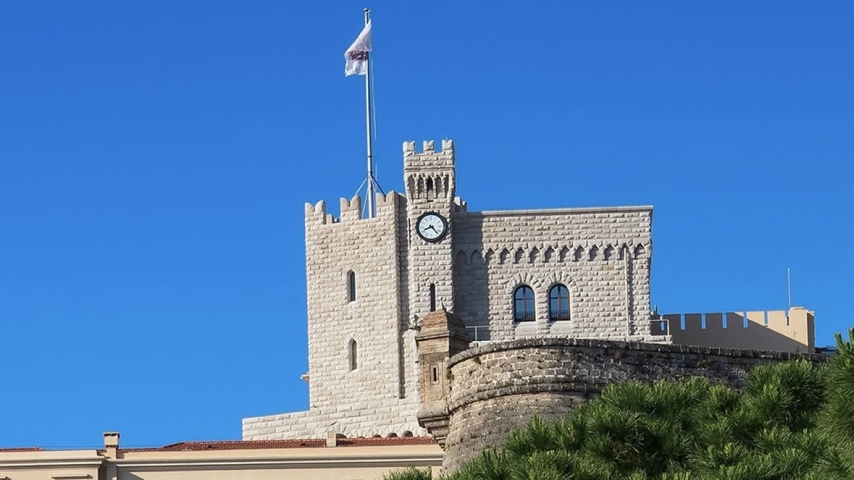
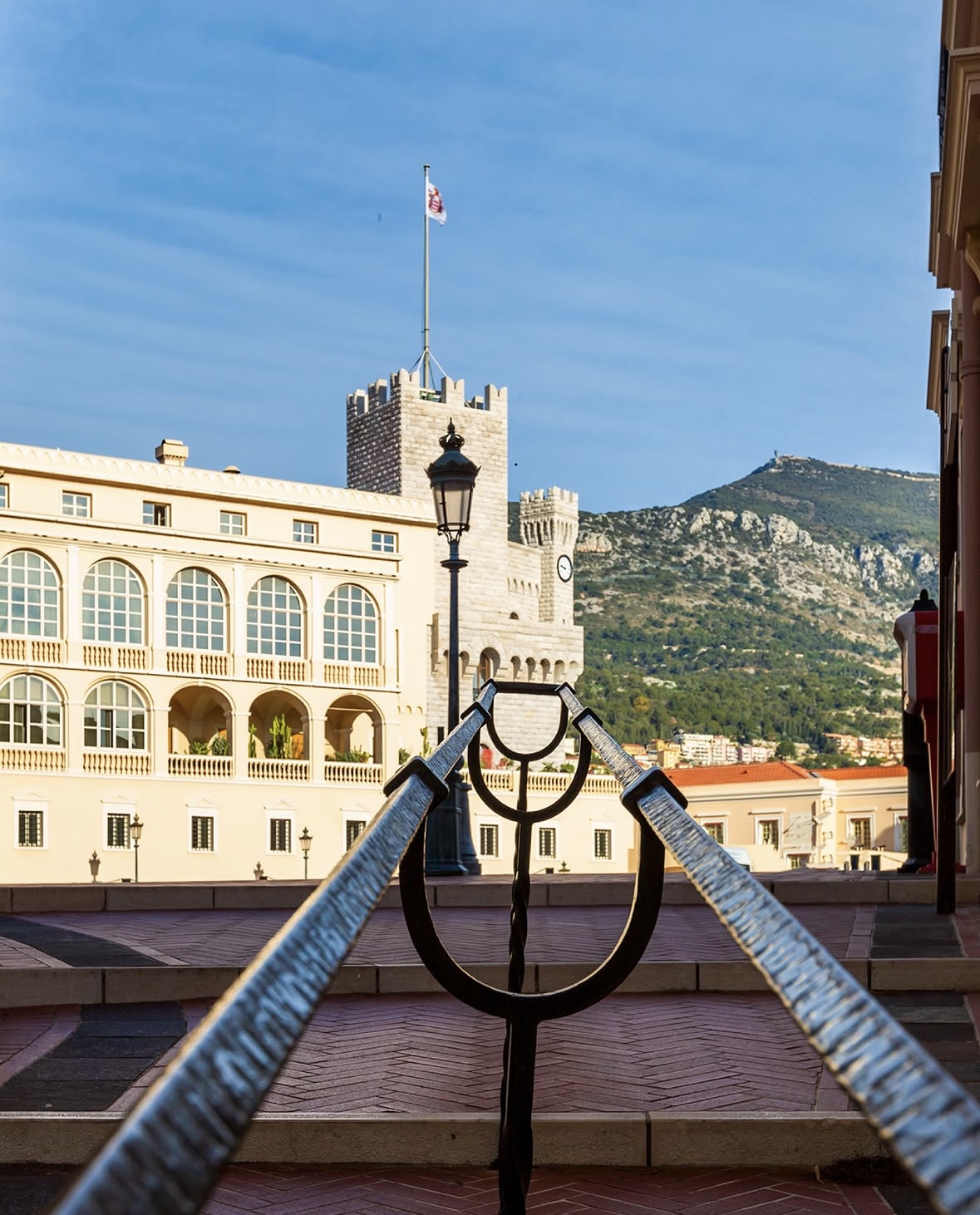
In a European Fortress Born in 1215, Europe’s Oldest Dynasty Still Reigns Elevated above the Mediterranean on the sheer limestone cliff of Le Rocher, the Prince’s Palace of Monaco stands as a rare architectural paradox: an active seat of sovereign power that has preserved its medieval core across more than seven centuries. While the grand royal houses of Europe built sprawling, unfortified Baroque palaces, the rulers of Monaco were constrained by geography and geopolitics to continuously rebuild within the perimeter of a single fortress.
The Medieval Stronghold
The origins of the palace trace back to 1215, when the Republic of Genoa constructed a military stronghold on the promontory to guard the coast between Genoa and Nice. The original structure comprised four imposing towers linked by eight-meter-high curtain walls. Today, despite centuries of residential refinement, those medieval ramparts and defensive towers remain integral to the palace's silhouette.
The Monk’s Ruse and Dynastic Origins
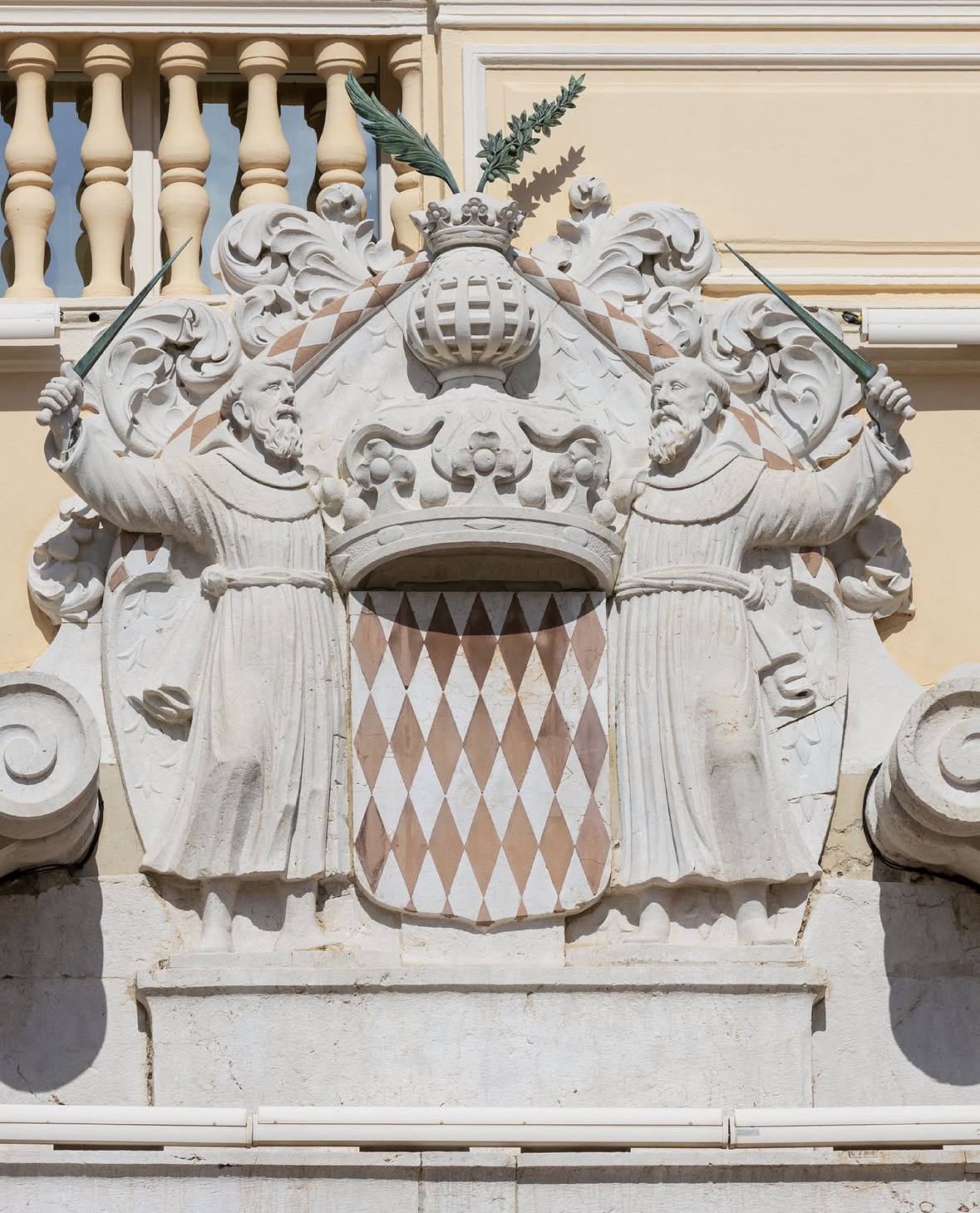
The political destiny of the fortress was permanently altered on the night of January 8, 1297. According to historical records, François Grimaldi - known as la Malizia ("the Cunning") - gained entry to the Genoese stronghold by disguising himself as a Franciscan monk requesting shelter. Once inside, Grimaldi opened the gates to his armed men, seizing control of the Rock and establishing the rule of the Grimaldi family.
That night inaugurated what would become Europe’s oldest continuous ruling dynasty. The founding event remains central to Monegasque state identity, preserved in the principality’s coat of arms, which features two sword-bearing Franciscan monks supporting the armorial shield.
Transformation and Renaissance Restoration
Beginning in the sixteenth century under Prince Honoré I and continued by Prince Honoré II, successive rulers gradually transformed the military bastion into an Italianate Renaissance palace. Open arcaded loggias, Carrara marble staircases, and ceremonial state rooms were integrated directly into the defensive framework.
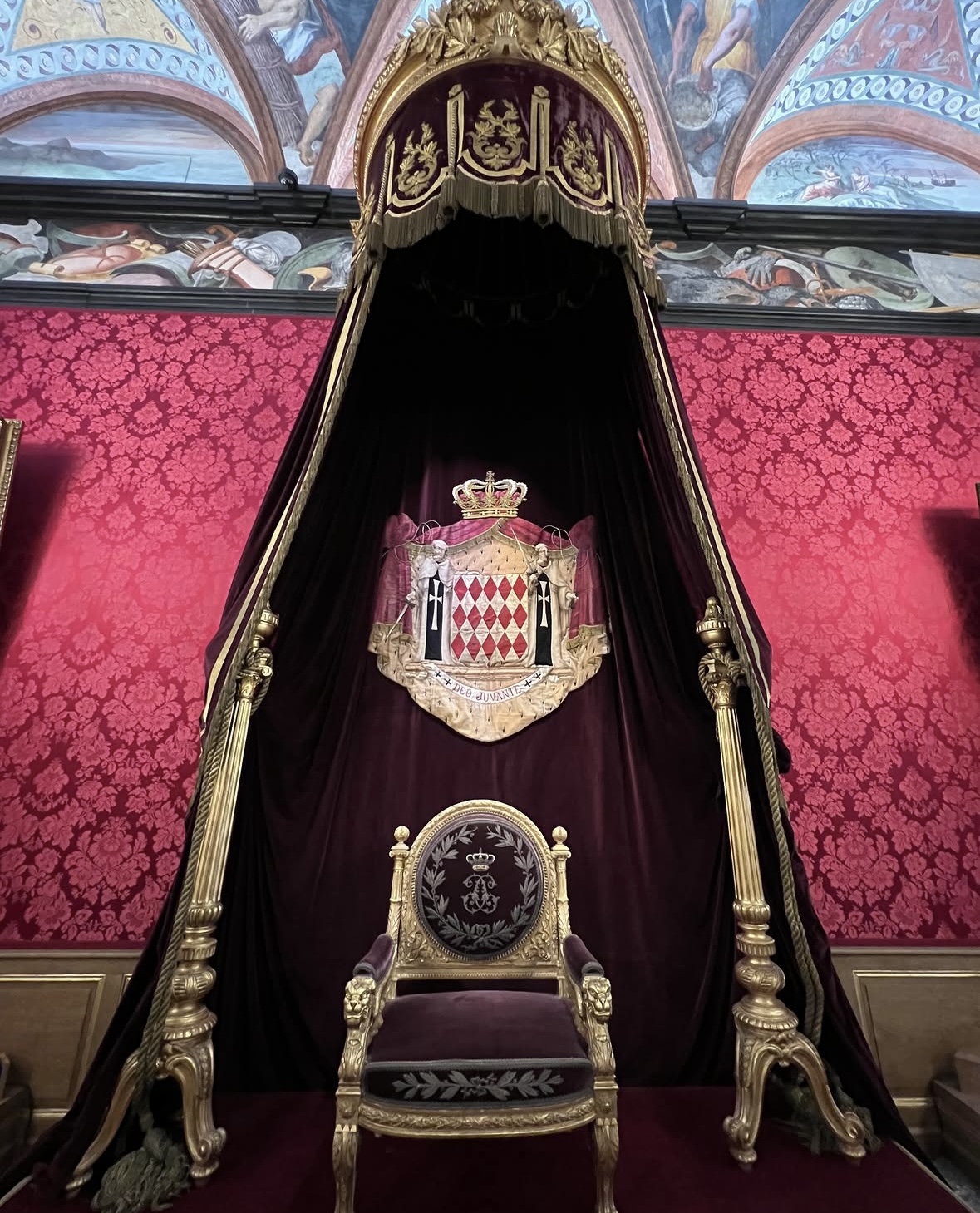
In recent years, extensive conservation efforts have uncovered monumental Renaissance frescoes beneath later decorative layers along the Hercules Gallery and state apartments. Painted in the sixteenth-century Mannerist style, these vaulted frescoes depict mythological allegories and the Labours of Hercules, restoring to view one of the Mediterranean's most intact original Renaissance decorative schemes.
As both an operating government complex and the private residence of Prince Albert II, the palace remains a unique living monument, bridging eight centuries of military history, art, and dynastic sovereign rule.
Photo Credits: Benjamin Vergely; Gallo Charly, MONTE-CARLO Société des Bains de Mer