

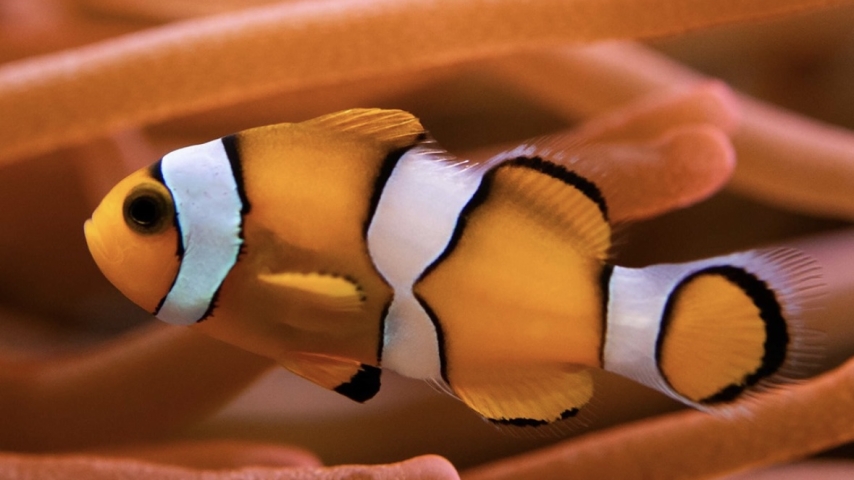
The clownfish, celebrated for its brilliant colors and intimate association with sea anemones, displays a suite of biological characteristics that highlights the complex nature of marine ecosystems. Exhibiting vibrant hues of orange, red, black, or pink across approximately 30 known species, these small fish measure generally between 7 and 15 centimeters depending on the specific type.
At the core of the clownfish's survival is its symbiotic relationship with sea anemones. While anemone venom is formidable to most fish, the clownfish is shielded by a specialized layer of mucus covering its skin. Despite their modest size, they demonstrate notable tenacity in defending their host anemones against much larger intruders.
Socially and biologically, clownfish feature a distinct sequential development. All clownfish are born male, with the largest individual in any given group developing into the dominant female. If that dominant female disappears, the reproductive male undergoes a transformation to become a female and take her place. Beneath the surface, they interact using a discrete language of small clicking and crackling sounds produced with their teeth and jaws.
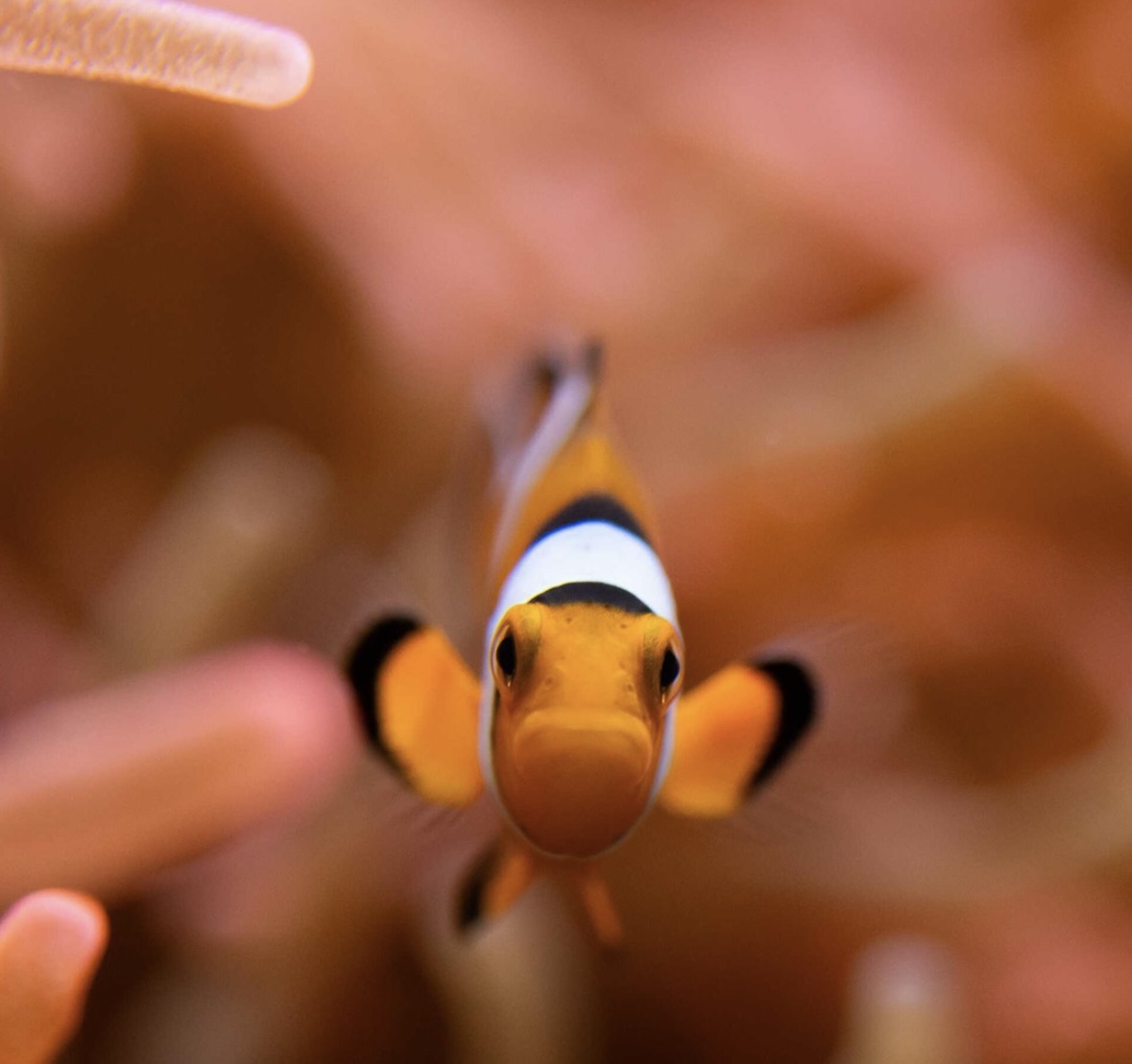
These striking adaptations can be observed directly by the public at the Oceanographic Museum of Monaco. Perched on the side of an 85-meter-high cliff, the historic institution houses approximately one hundred aquariums containing over 6,000 specimens across 350 species of fish. Within the museum's tropical area, visitors can view clownfish living alongside coral reef ecosystems. Furthermore, the museum features an in-house nursery that successfully breeds species such as clownfish, contributing to ongoing marine reproduction and conservation efforts.
Photo Credits: The Oceanographic Museum of Monaco Instagram