

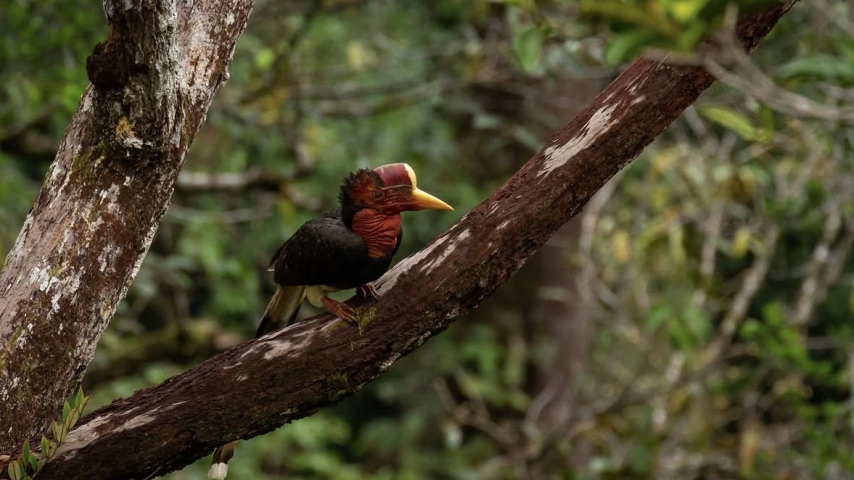
Across six diverse forest sites spanning Asia, Africa, and South America, a collaborative project is proving that some changes within an ecosystem are easier to hear than to see. Led by the Board of Regents of the University of Wisconsin and supported by the donor community — including the Prince Albert II of Monaco Foundation — the initiative deployed sound recordings and artificial intelligence to better understand how biodiversity shifts over time.
Working alongside local and Indigenous scientists, researchers gathered acoustic data continuously over a full calendar year. This comprehensive listening campaign established vital biodiversity baselines, allowing conservationists to identify precisely where protective measures and resource allocation must be prioritized.

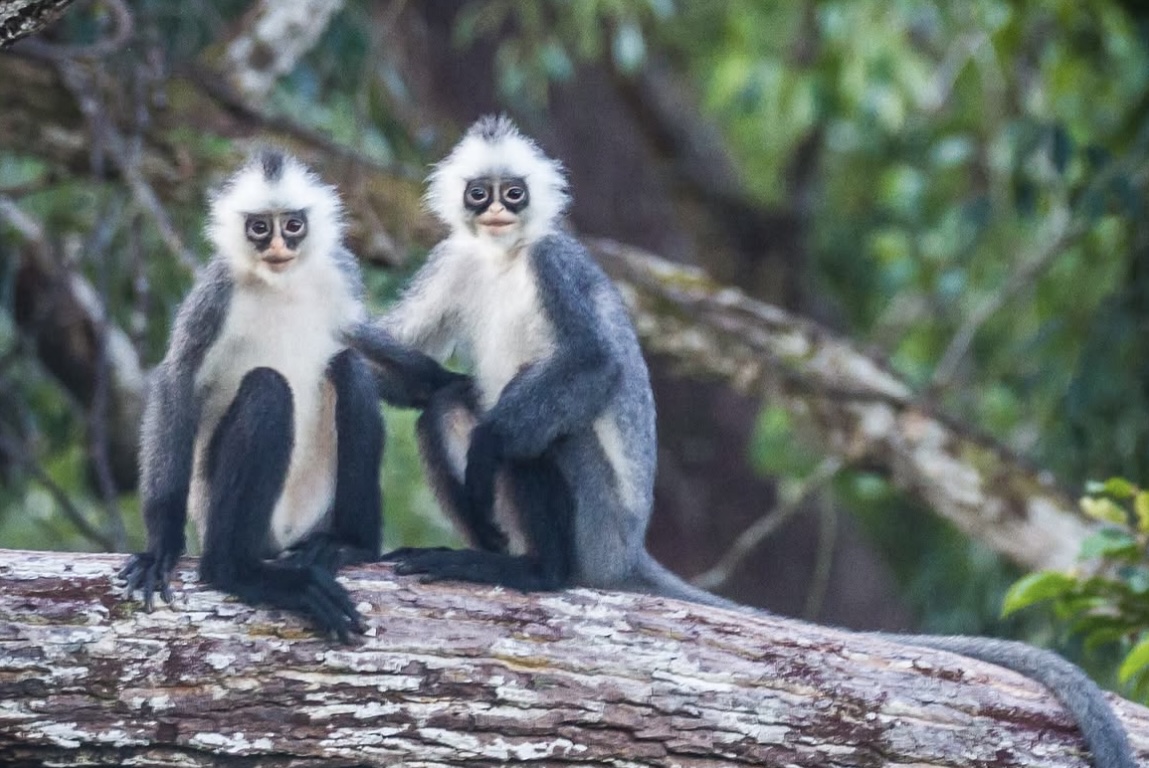
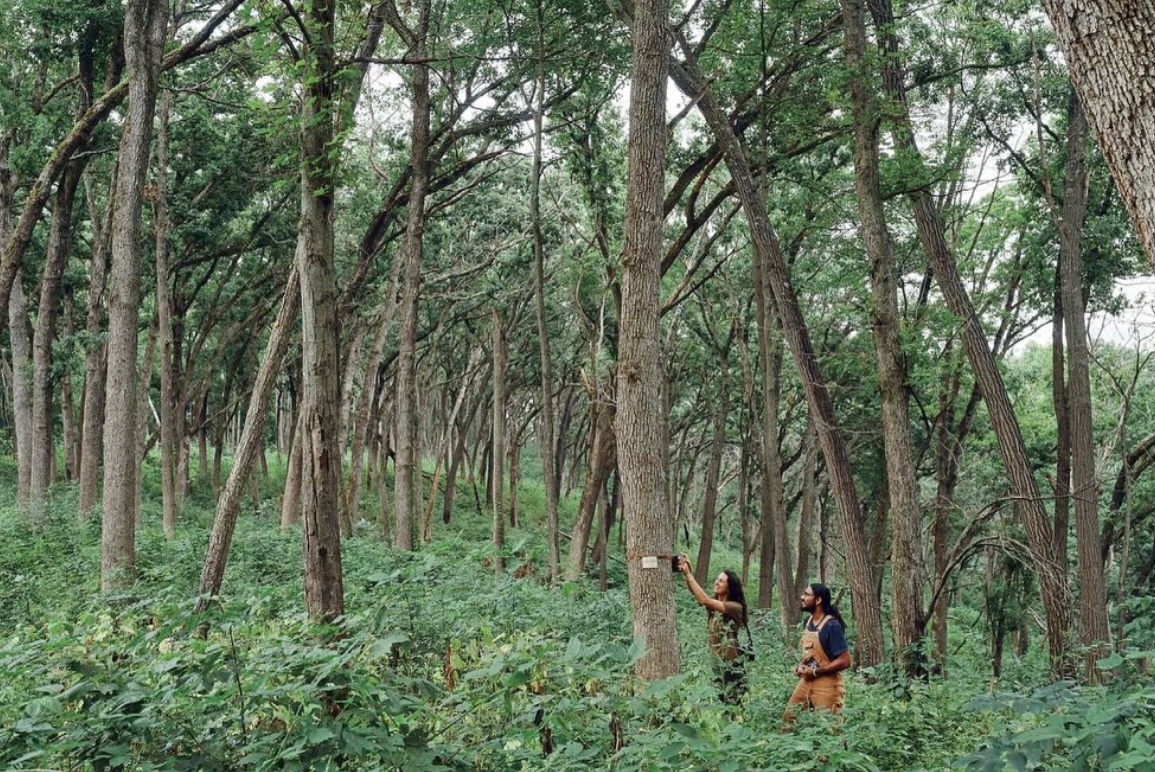
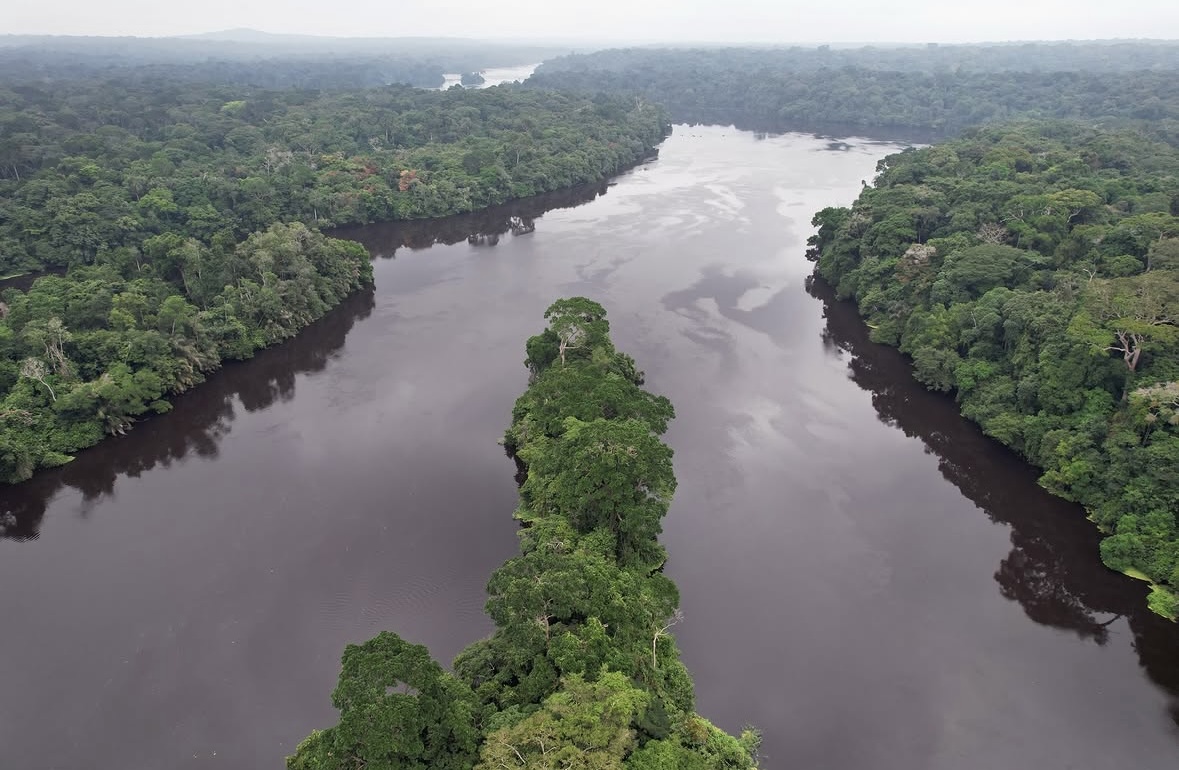
The translation of research into practical action has yielded concrete milestones for global conservation. The project successfully identified and mapped 35 priority areas, established a dedicated tropical forest data-sharing platform, and produced a series of peer-reviewed scientific publications and educational resources.
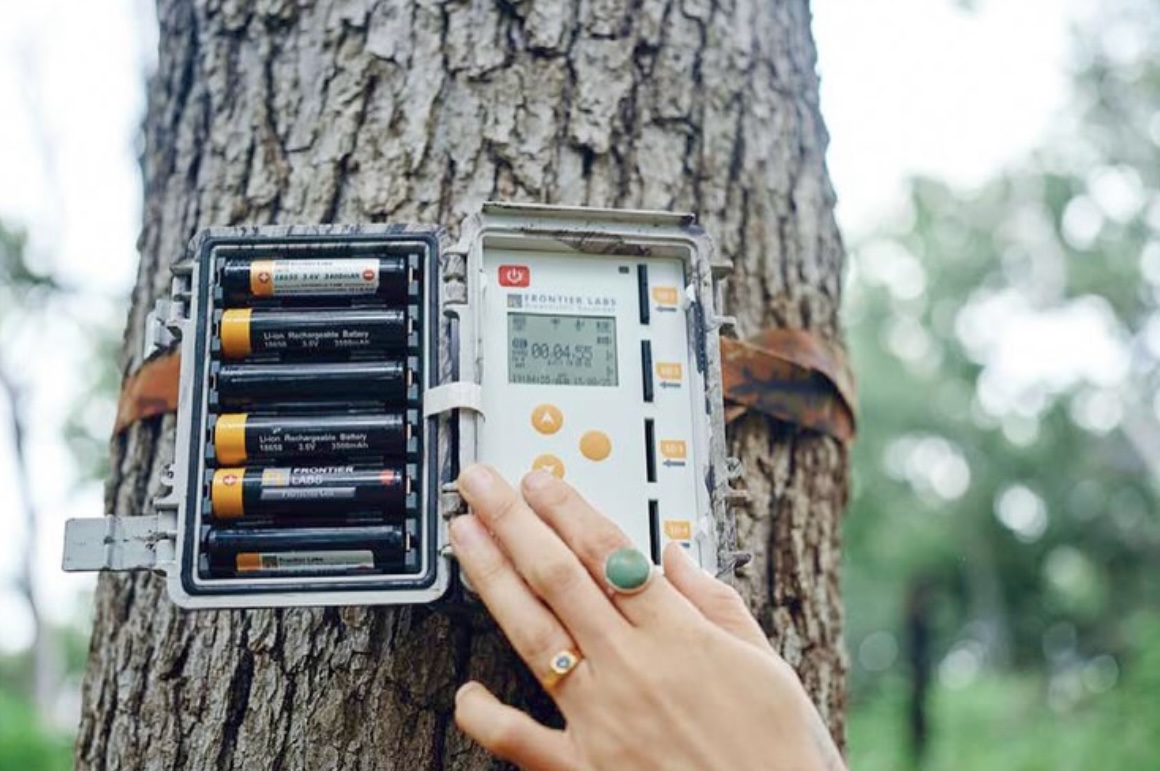
By leveraging modern computational tools alongside traditional ecological knowledge, the initiative demonstrates how donor-backed scientific frameworks can scale to meet the urgent pressures facing tropical ecosystems worldwide.
Photo Credits: Hanyrol