

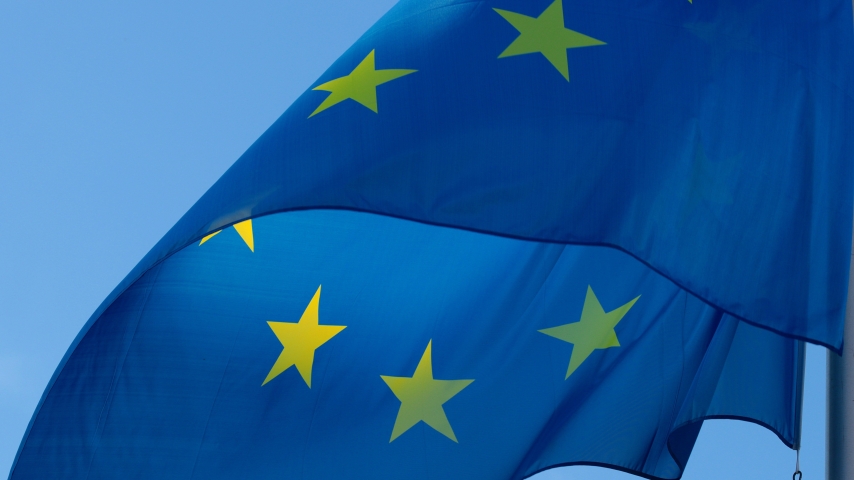
Monaco has secured a significant step forward in its efforts to strengthen its international financial reputation, following its removal from the Financial Action Task Force (FATF) grey list on 30th October. However, the Principality remains on the European Union's separate list of high-risk countries for money laundering and terrorist financing.
In a statement published on 5th November, Monaco's Direction des Services Judiciaires clarified that the FATF decision does not automatically change the Principality's status under EU regulations.
The two lists operate independently. While the FATF recognised Monaco's progress in areas including financial crime investigations, international cooperation, sanctions and the recovery of criminal assets, the European Commission follows its own procedures when reviewing countries' anti-money laundering frameworks.
Monaco was added to the EU's high-risk list in 2025. Its continued inclusion means that European financial institutions must apply enhanced due diligence to certain business relationships and transactions involving the Principality. These checks can include closer examination of customers, the origin of funds and the purpose of transactions.
The designation does not prohibit financial transfers or business with Monaco, but it can create additional compliance requirements for banks and companies operating across borders. This is particularly relevant to the Principality, where international banking, wealth management and financial services play an important role in the economy.
The question now is when Brussels will reconsider Monaco's status. Any removal from the EU list requires a separate regulatory process, and no timetable had been announced as of 12th November.
Monaco's removal from FATF monitoring is an important achievement, but the Principality must continue demonstrating that its reforms are effective and sustainable. Cooperation with Moneyval, the Council of Europe's anti-money laundering monitoring body, will remain part of this effort.
For Monaco's financial sector, the next milestone will be securing recognition of this progress at European level, potentially easing the additional compliance burden associated with its current classification.