

The newest edition of IMPACT magazine, published by the Prince Albert II of Monaco Foundation, turns its attention to one of the planet’s most consequential frontiers: the Arctic and Antarctic. Issue No. 11 explores the theme “Pursuing Adaptation and Resilience in the Polar Regions,” examining how communities, scientists and policymakers are confronting environmental change at Earth’s northern and southern extremes.
According to the foundation, the edition brings together field reports, scientific perspectives and photographic documentation that illuminate the transformations taking place across the polar world. These regions, long regarded as remote and stable, are increasingly at the center of global environmental discussions.
A Focus on Polar Transformation
Among the contributions is a photographic report by photographer Esther Horvath, documenting the work of women scientists operating during the Arctic polar night - one of the most challenging research environments on Earth. Their work reflects the growing international scientific presence in the Arctic and the importance of year-round observation.
Another section examines the BBNJ Agreement - the international agreement on biodiversity beyond national jurisdiction - through analysis by Dr. Virginie Tassin Campanella, focusing on its implications for global ocean governance.
The issue also features a field report from IUCN Pakistan, addressing efforts to strengthen coastal resilience in vulnerable regions, as well as a conversation with laureates of the Prince Albert II of Monaco Foundation Planetary Health Awards, highlighting initiatives dedicated to protecting ecosystems and human well-being.
Indigenous Knowledge and Environmental Change
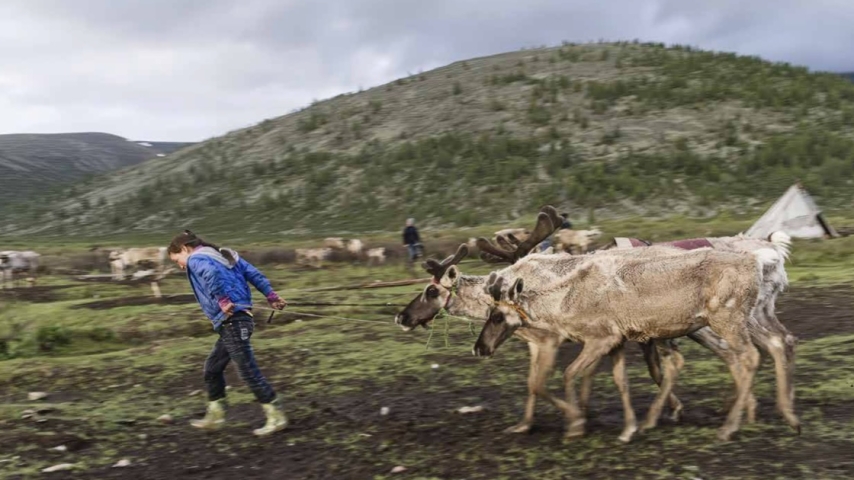
Within the Arctic, the publication underscores the experience of Indigenous communities whose livelihoods are closely tied to fragile ecosystems. The magazine notes that traditional practices such as reindeer herding - long central to Arctic cultures - are increasingly affected by environmental shifts across northern regions.
Scientific assessments referenced in the article draw on findings from the Intergovernmental Panel on Climate Change and the Intergovernmental Science‑Policy Platform on Biodiversity and Ecosystem Services, which have both warned that addressing environmental challenges requires coordinated transformations across economic, social, political and technological systems.
These institutions emphasize that understanding environmental change in the Arctic and Antarctic demands both scientific research and the integration of local and Indigenous knowledge.
The Antarctic Framework
While Arctic communities confront rapid environmental change, Antarctica remains unique in global governance. The continent is managed through the Antarctic Treaty System, a framework signed by dozens of countries that preserves the region for peaceful purposes and scientific cooperation.
For decades, this treaty system has ensured that Antarctica remains dedicated to research and environmental protection, a rare example of international collaboration in environmental stewardship.
Resilience in a Changing Landscape
Despite structural upheavals - including increasing tourism, expanded international trade routes and the opening of new shipping passages due to melting ice - the polar regions are also emerging as centers of innovation in conservation and adaptation.
Projects highlighted in the issue include ecological restoration initiatives, scientific monitoring programs and community-based strategies designed to strengthen ecosystem resilience.
Together, these stories illustrate a broader shift in global awareness. Researchers and policymakers are increasingly recognizing the polar regions not simply as distant landscapes, but as critical indicators of planetary change.