

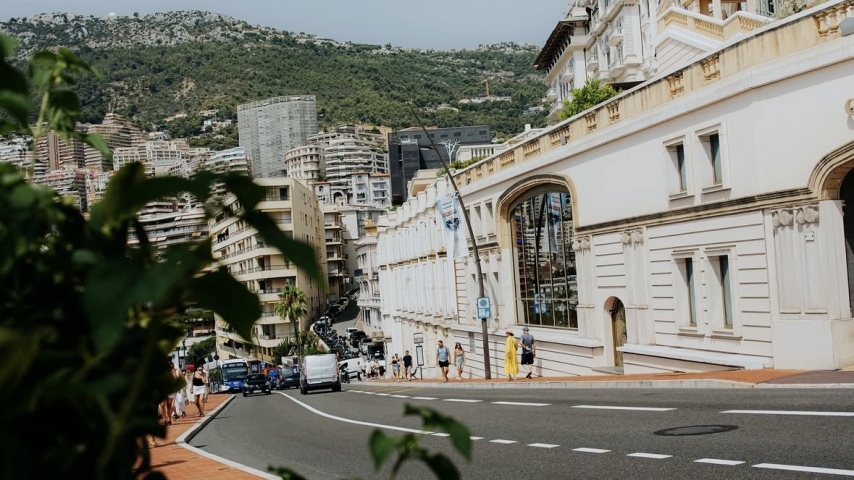
Outside the noise and speed of race weekends, the Circuit de Monaco transforms back into the everyday street network of Monte Carlo and La Condamine. Yet, for motorsport enthusiasts and pedestrians traversing the 3.337-kilometer layout during the summer season, the tarmac serves as a permanent, living monument to automotive history.
A walk along the public circuit highlights the physical remnants and historical markers embedded directly into the urban landscape. From the painted starting grid positions on Boulevard Albert Ier to the permanent Armco barrier anchorage points in the curb stones, the infrastructure of the historic Grand Prix remains visible year-round.
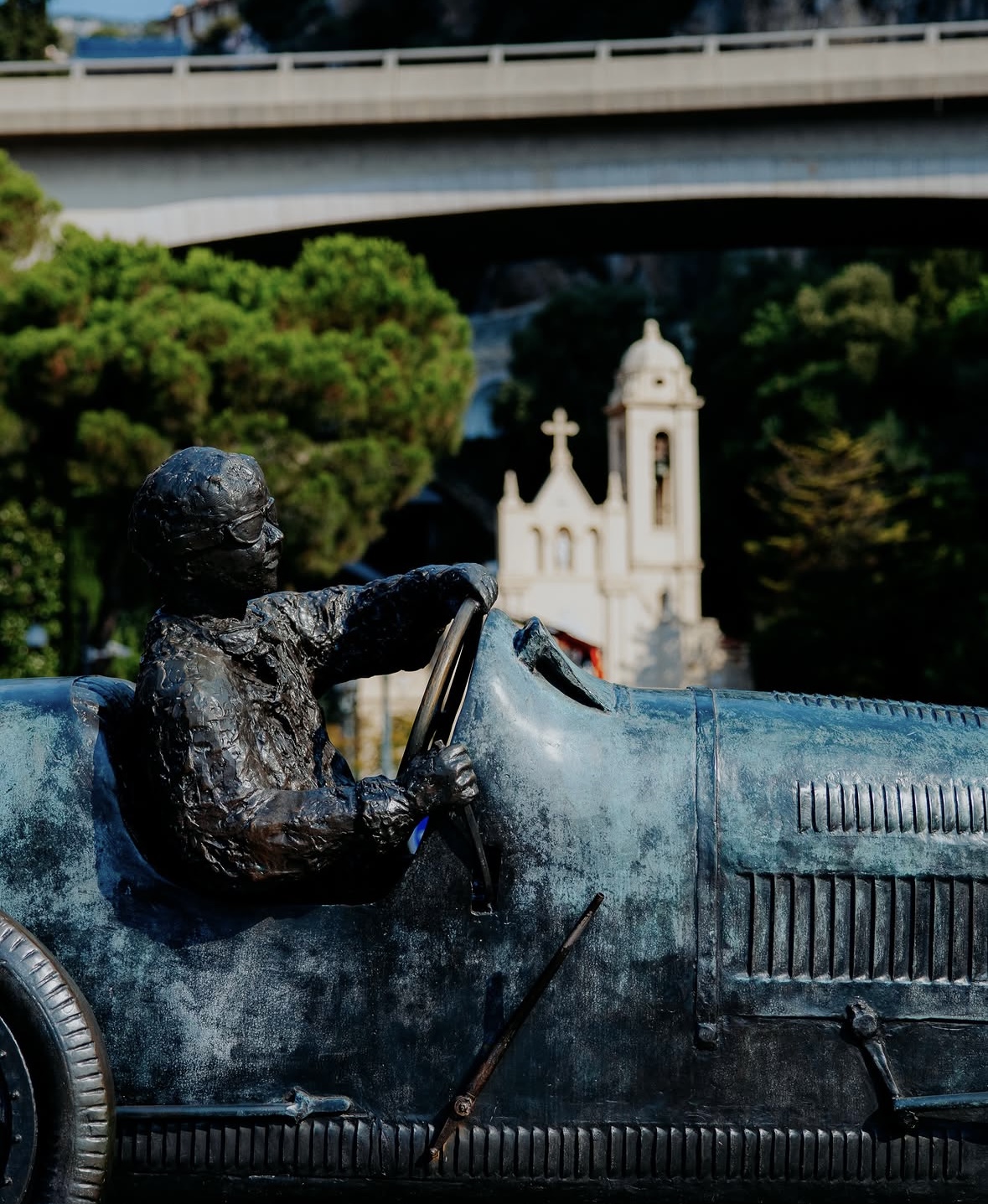
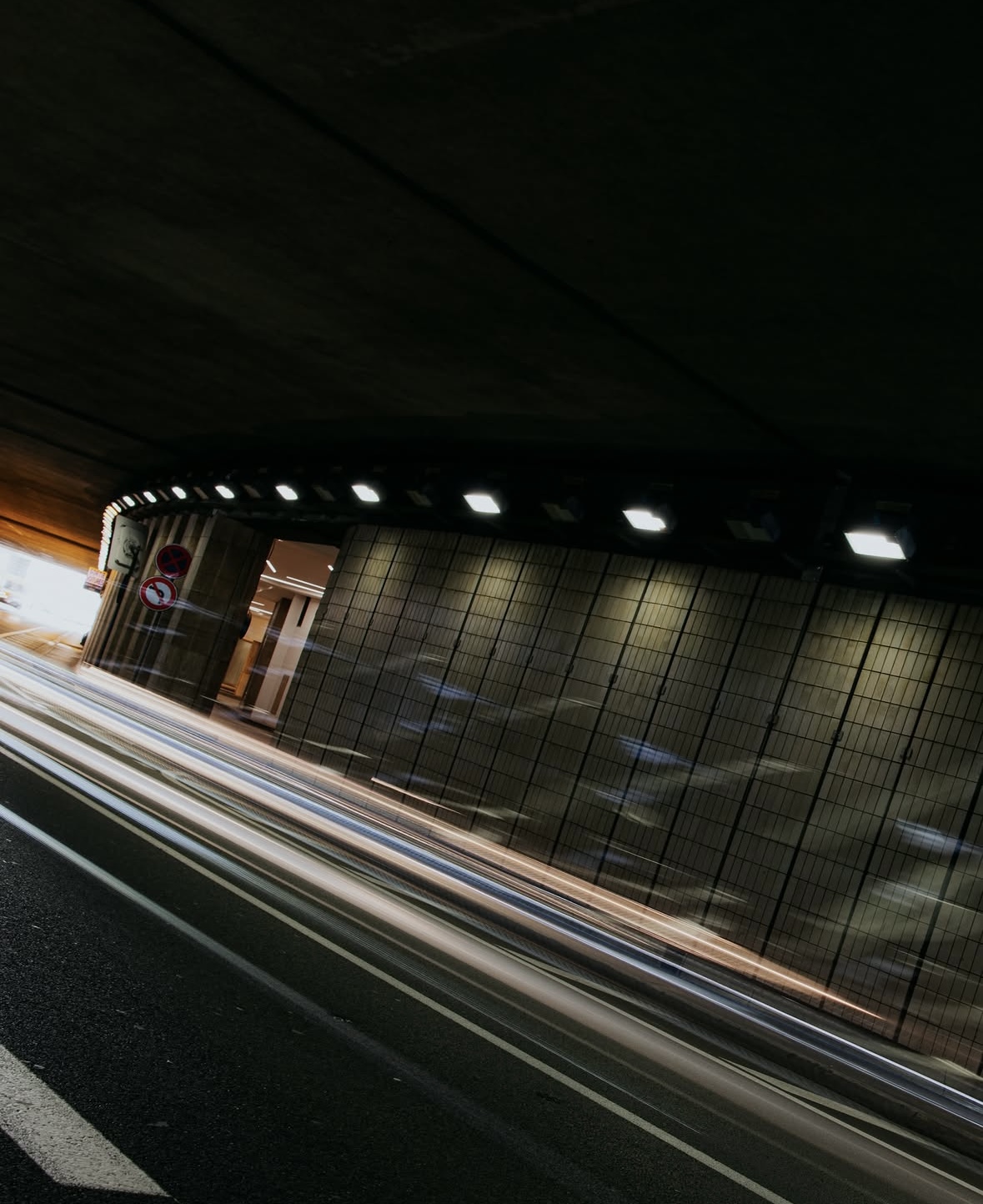
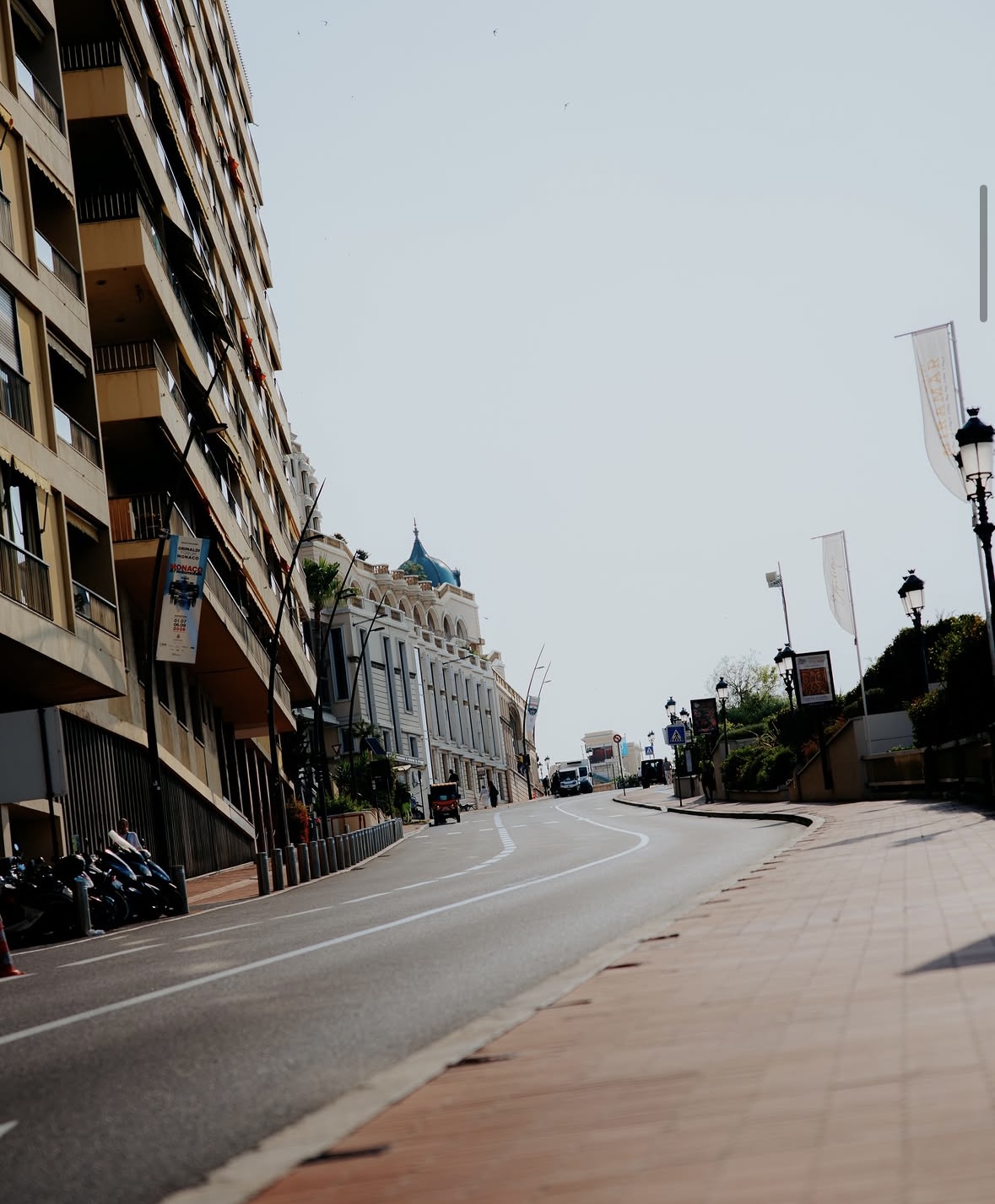
Key sites along the course - including the ascent past Sainte Dévote, the tight Fairmont Hairpin, and the sweep through the Tunnel onto the harborfront - offer pedestrians a close look at the extreme elevations and tight margins that define the track. Bronze statues and historical plaques dedicated to legendary drivers like Louis Chiron and Ayrton Senna further anchor the circuit's identity within the Principality's public spaces.
As Monaco continues its dual role as a modern urban center and a international motorsport capital, walking the circuit provides a grounded look at how more than nine decades of racing heritage remain integrated into the city's daily life.
Photo credits: ACM Instagram