

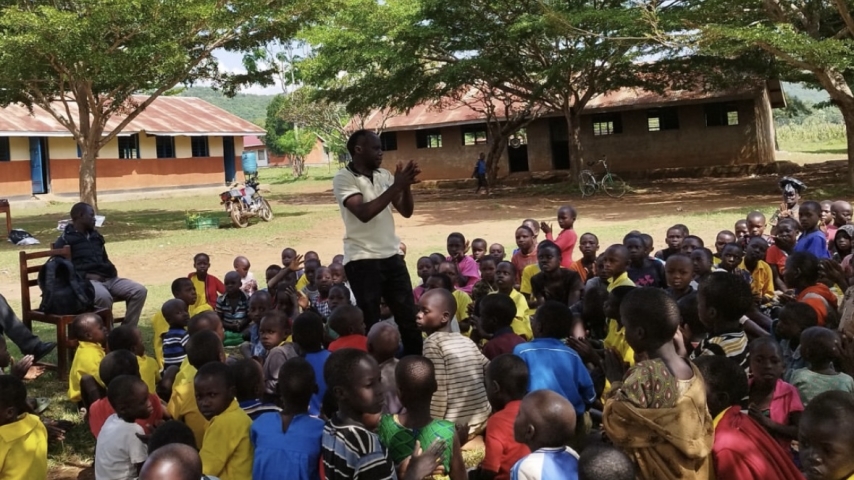
The recovery of the West Bugwe Central Forest Reserve in eastern Uganda offers a definitive case study in modern conservation: environmental protection is most effective when it is rooted in local communities. After years of encroachment, illegal logging, and unsustainable practices, a 40-month initiative has demonstrated that restoring ecosystems and improving livelihoods are not competing goals, but two sides of the same coin.
Supported by the Prince Albert II of Monaco Foundation and implemented by A Rocha Uganda, the project utilized a multi-dimensional approach to reverse severe forest degradation. By integrating environmental education with tangible resources, the initiative addressed the socioeconomic drivers of deforestation.
The project’s success is defined by measurable impact across both the landscape and the community. Over the course of the initiative, 19,083 native trees were planted within degraded forest areas and community gardens, and 50 hectares of forest were placed under active restoration. Beyond the flora, the human impact was substantial: 3,274 people were reached through environmental education, and 140 fuel-efficient stoves were distributed to reduce daily domestic pressure on forest resources.
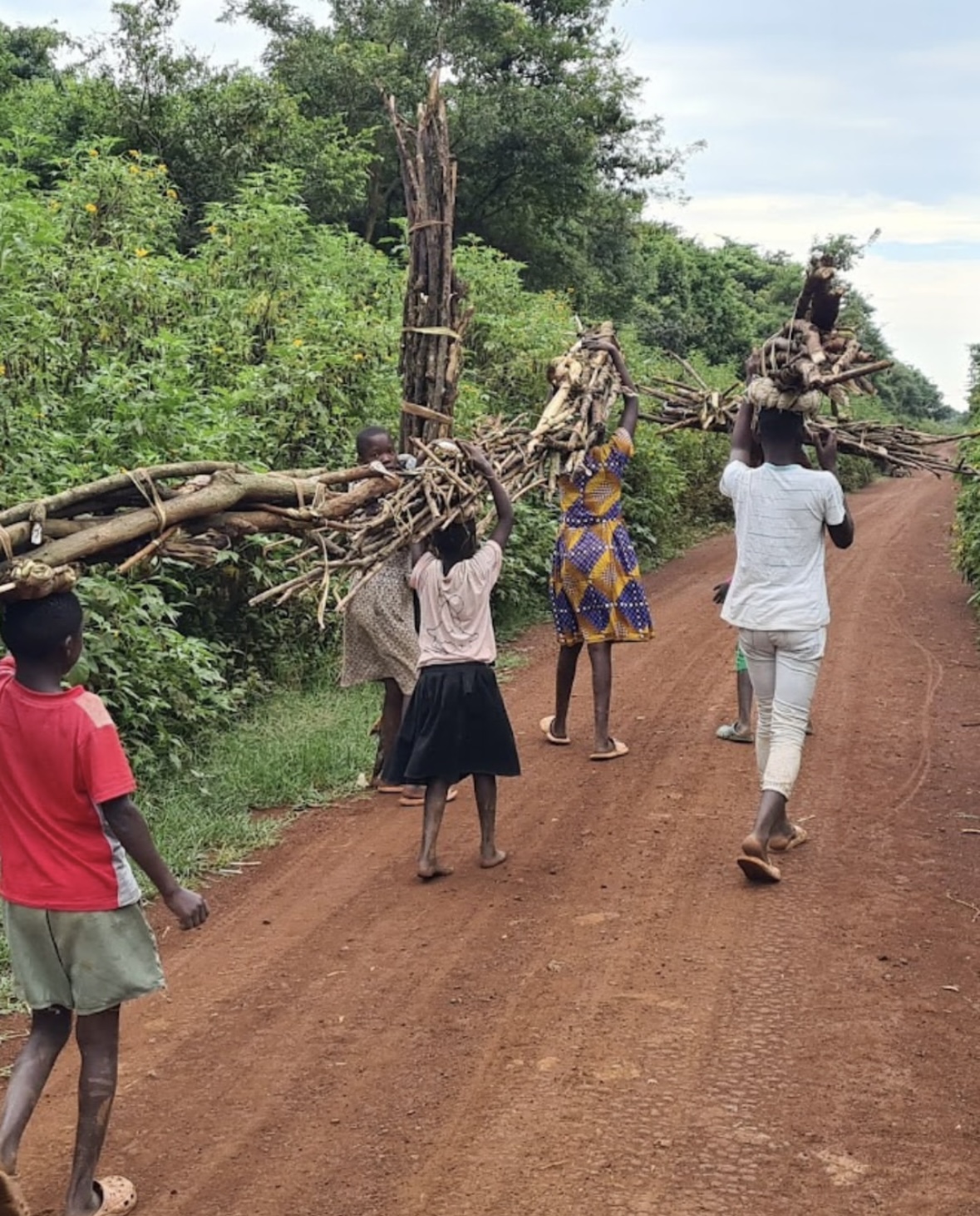
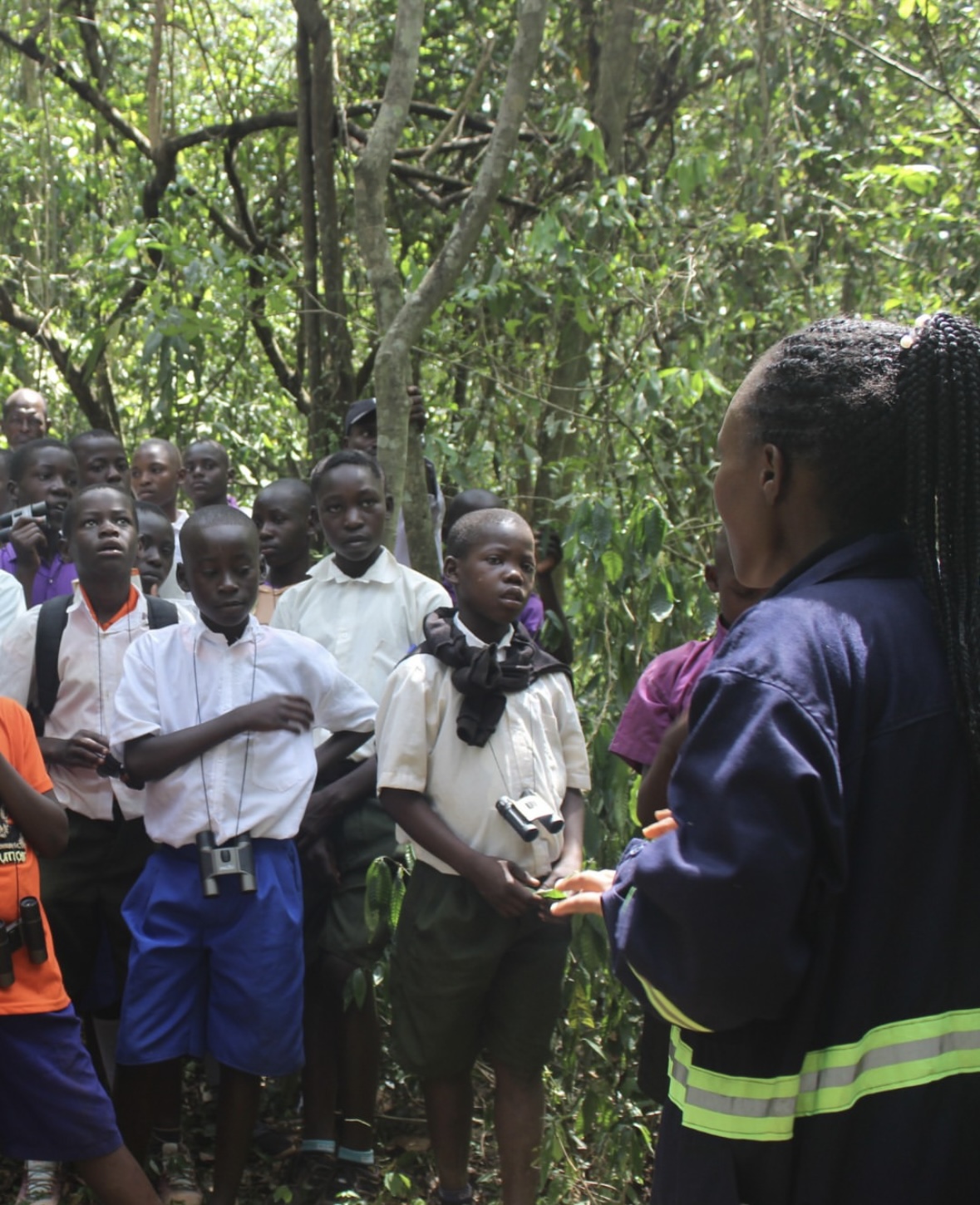
The West Bugwe project reinforces a critical axiom: for conservation to be resilient, it must provide the surrounding population with the tools to thrive alongside the nature they protect. By distributing efficient stoves and planting native species in community spaces, the project transformed the local population from users of the forest into its primary stewards. The results in eastern Uganda serve as a powerful reminder that the path to global biodiversity begins with the empowerment of local communities.
Photo credits: Prince Albert II of Monaco Foundation Instagram