

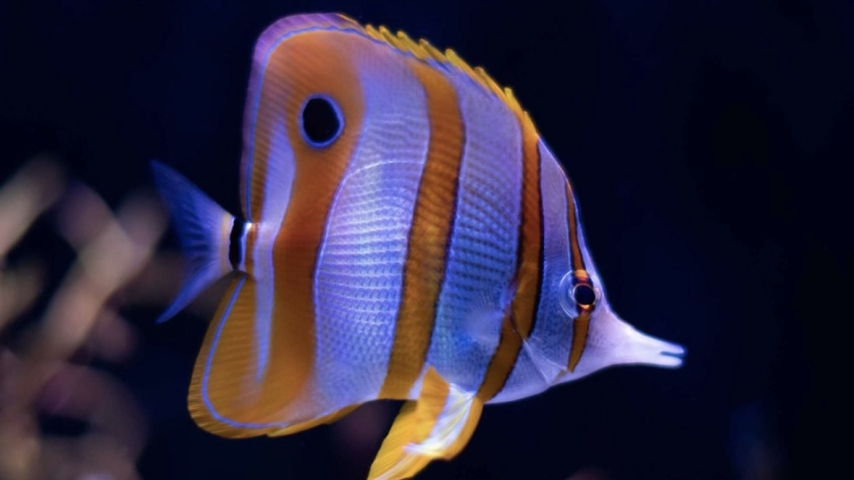
In the complex architecture of tropical coral reefs, survival often depends on specialized adaptations. Among the most distinctive residents of these diverse ecosystems is the Copperband Butterflyfish (Chelmon rostratus), a species currently highlighted by the Oceanographic Museum of Monaco (Musée Océanographique).
Recognizable by its compressed, silver body and bold, copper-orange vertical bands outlined in black, the fish is visually striking. Its defining feature, however, is its elongated, snout-like mouth. This biological tool is a master of precision, allowing the fish to reach deep into crevices and small holes in the coral to extract its prey - primarily small invertebrates and polychaete worms - that are inaccessible to other predators.
The Chelmon rostratus is not merely an aesthetic marvel; it plays a critical role in maintaining the health and equilibrium of its habitat. By controlling the population of certain coral-eating invertebrates, it functions as an essential component of the reef's trophic structure.
For the general public, observing this intricate behavior often requires diving or visiting a world-class institution. The species is a centerpiece of the extensive tropical aquariums at the Musée Océanographique Monaco, where visitors can witness firsthand its deliberate movements and remarkable hunting technique. This educational showcase underscores the profound interconnectivity that defines marine biodiversity and the importance of dedicated preservation efforts.
Photo Credits: Oceanographic Museum of Monaco