

In an era when hospitality often trades on spectacle, the modern cocktail bar faces a quiet crisis of identity. For decades, the craft of bartending oscillated between two extremes: the theatrical excess of mid-century showmanship and the dogmatic, often exclusionary purity of early-2000s speakeasies. What was lost in that tension was not flavor, but balance - the recognition that a drink is neither a prop nor a chemical experiment, but an exercise in deliberate restraint.
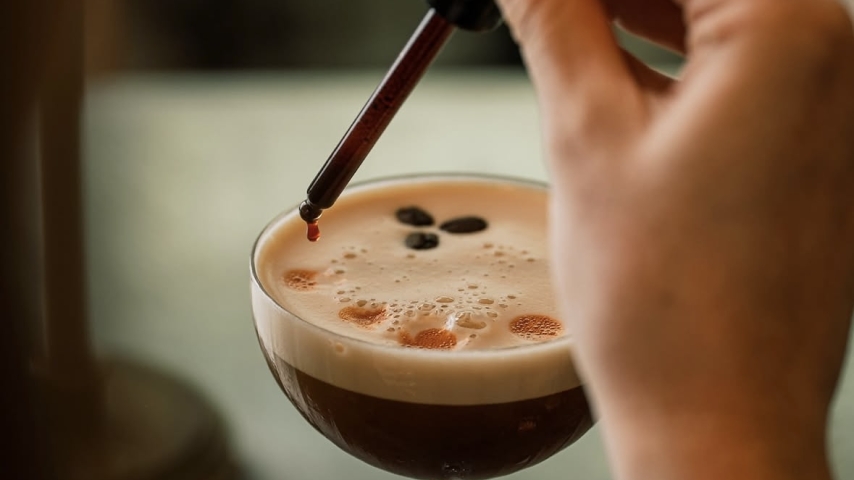
At the Café de Paris Monte-Carlo, an institution anchored on the Place du Casino since 1868, that restraint takes center stage. To observe the bar in motion is to see this philosophy translated into physical gesture. Behind the counter, the preparation of an Espresso Martini - a modern staple that too frequently suffers from cloying sweetness or careless dilution - becomes a study in technical focus. The foam is drawn to a precise dense layer; whole coffee beans are positioned with delicate alignment; and aromatic accents are measured drop by drop from a glass pipette.
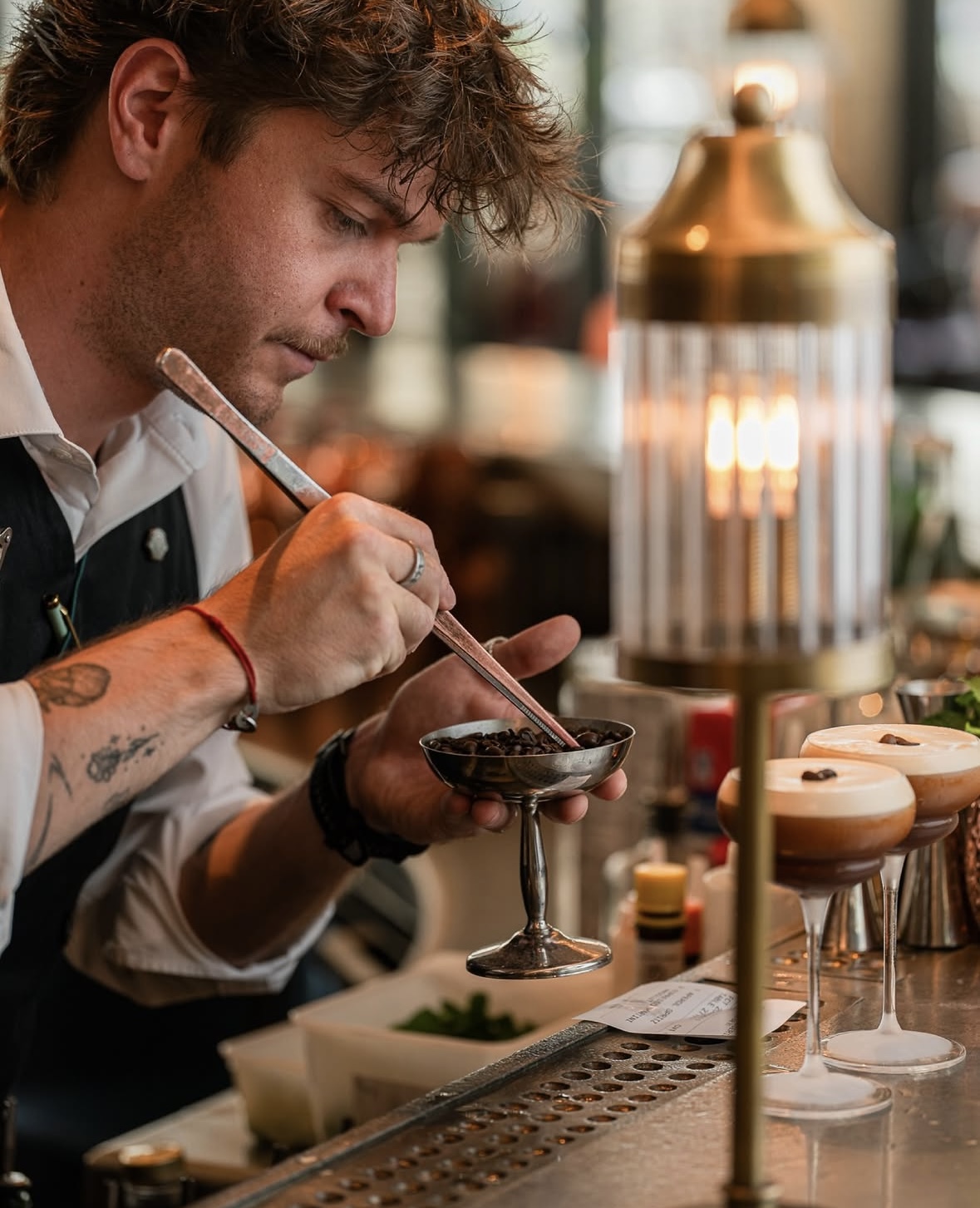
This meticulous attention to detail is more than mere aesthetic flair. In classical beverage service, liquid ratios, temperature, and visual presentation are interdependent variables. A single misplaced drop or an unbalanced bitter note disrupts the texture, flattening the experience before the guest takes a first sip.
In a world increasingly driven by automated efficiency and rapid turnover, the deliberate slow-motion execution at the bar offers a necessary counterweight. It reinforces a fundamental truth of culinary craft: true luxury relies on care, intention, and an unwavering respect for the guest’s moment.
Photo credits: Café de Paris Monte-Carlo Instagram