
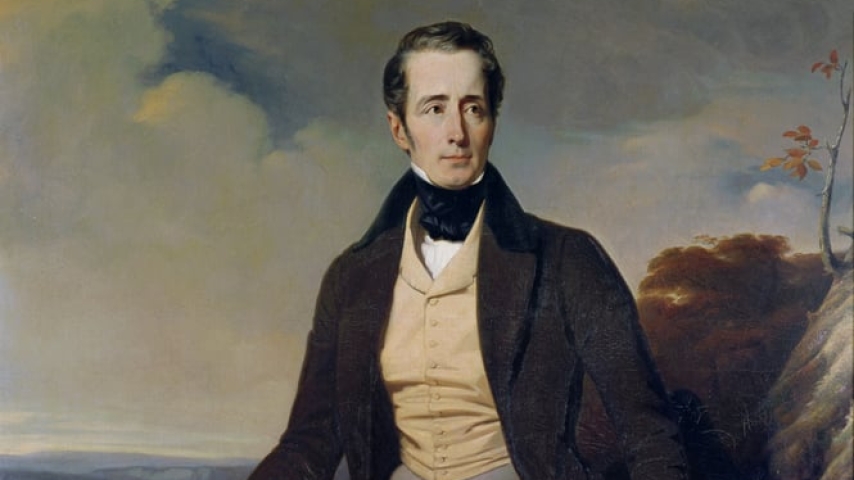
Image credit: Wikipedia. Alphonse de Lamartine
There is a particular brand of aristocratic arrogance - or perhaps magnificent optimism - required to believe that a man who made his name weeping lyrically beside alpine lakes could successfully pilot a nation through a bloody political revolution. Yet in the early months of 1848, France looked at Alphonse de Lamartine - poet laureate of melmothian grief, former diplomat, and member of the Académie Française - and essentially said: You’ll do.
For a fleeting trimester, Lamartine was not merely the country’s premier man of letters; he was the de facto head of the Provisional Government of the Second French Republic.
To the Ends of Love and Memory
Born in Mâcon in 1790 to a royalist family that barely survived the Reign of Terror, young Alphonse was raised on provincial piety and Rousseauian idealism. He spent his twenties doing what well-born French youths of delicate constitution did best: wandering through Italy, nursing vague ailments at spa towns, and falling tragically in love.
It was at Aix-les-Bains in October 1816 that Lamartine met Julie Charles, a brilliant, married woman suffering from tuberculosis. Their passionate romance on the shores of Lake Bourget ended with her death the following year. He captured the existential heartbreak in Le Lac (The Lake) and L'Isolement (Isolation), famously declaring that a single missing soul leaves the whole world deserted.
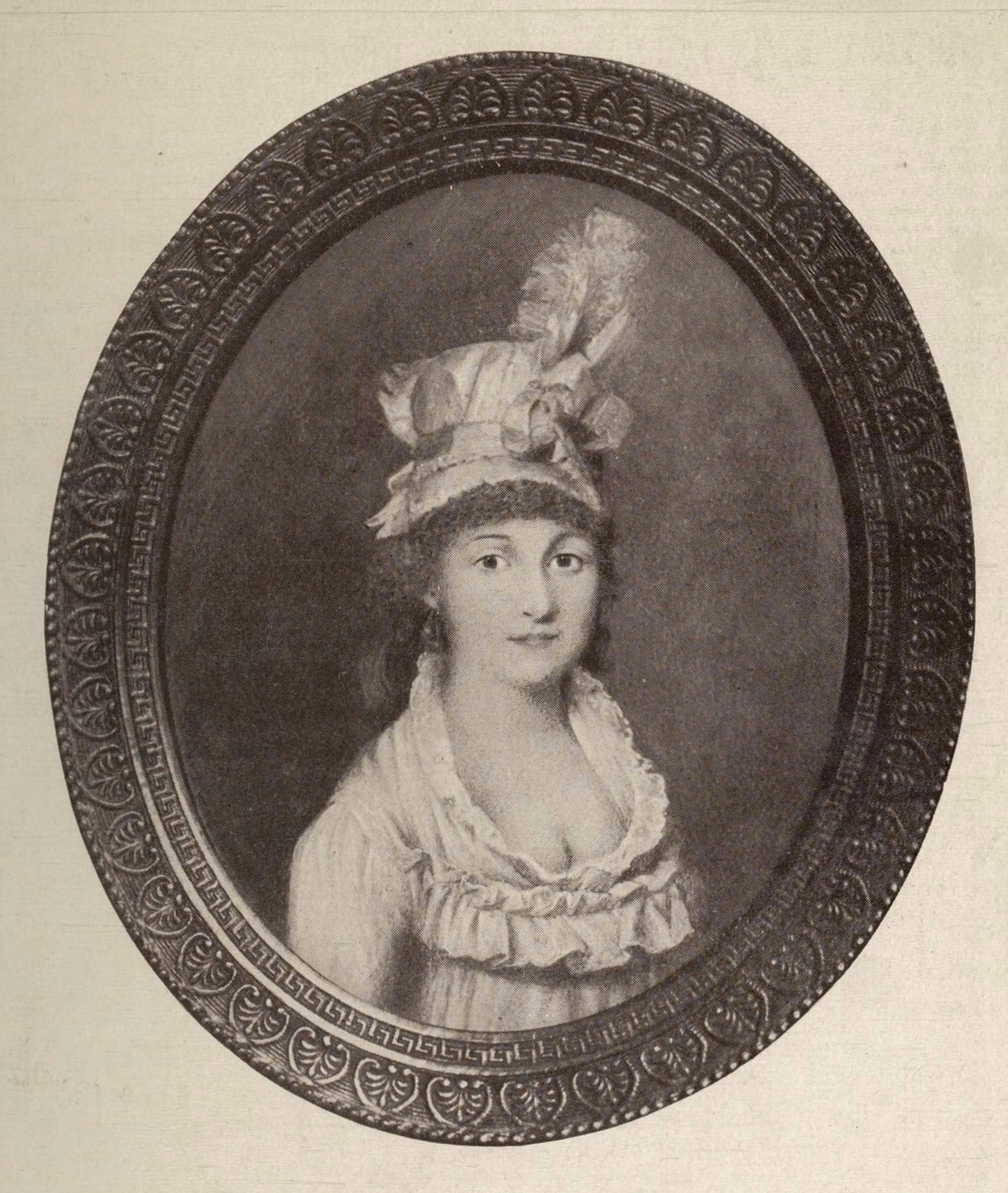
Image credit: Bibliothèque nationale de France. Julie Charles
In 1820, he married Marianne Birch, English aristocrat, painter and sculptor. Their union grew into a deeply devoted partnership. Yet, their personal life was marked by profound tragedy. The couple had two children: a son, Alphonse, who died in infancy in Rome, and a beloved daughter, Julia. In 1832, during Lamartine's grand expedition through the Near East, ten-year-old Julia tragically succumbed to illness in Beirut a heart-wrenching loss that haunted both parents for the rest of their days and reshaped Lamartine’s spiritual writings.
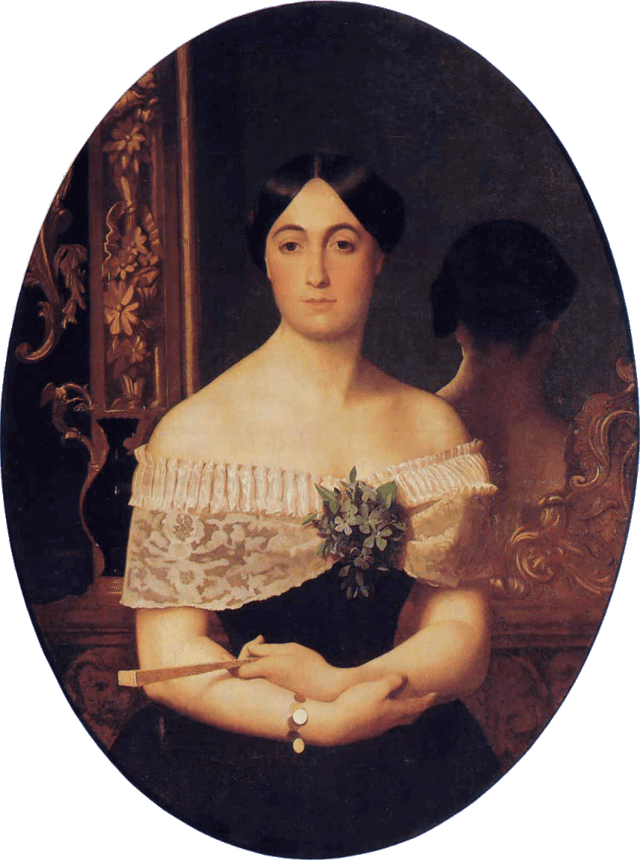
Image credit: Château de Saint-Point - Maison d’Alphonse Lamartine. Marianne Birch
From Verse to the Barricades
Most poets would have been content to coast on literary immortality, family wealth, and diplomatic receptions. Lamartine, however, possessed a grander ambition. Following the July Revolution of 1830, he resigned from diplomacy and entered political life, eventually winning a seat in the Chamber of Deputies in 1833.
Over the next decade and a half, his politics evolved from conservative royalism toward an eloquent, high-minded republicanism. In 1847, he published his massive Histoire des Girondins (History of the Girondists), a heroic chronicle of the moderate revolutionaries of 1789 that electrified the public imagination and stoked the fires of reform.
When the Revolution of February 1848 erupted and King Louis-Philippe fled Paris, Lamartine stepped into the vacuum. As Foreign Minister and effective leader of the provisional government, he used his extraordinary oratorical gifts to hold a volatile Paris together. In one of his most famous political triumphs, he faced down an armed crowd demanding that the revolutionary Red Flag replace the traditional Tricolor, successfully arguing that the Tricolor had carried the nation's glory around the world, whereas the red flag had only toured the Champ-de-Mars (Field of Mars) in blood.
The Late Literary Crusade
When the political spotlight dimmed and the fickle Parisian public moved on, Lamartine quietly retired his ministerial ambitions, picked up his pen, and returned to work. What followed was a remarkable second act of sheer, unyielding endurance. Refusing to trade on his integrity or abandon his obligations, the aristocrat turned himself into an astonishingly prolific literary factory.
In his signature Romantic spirit, Alphonse de Lamartine framed humanity's grand cosmic tragicomedy and the earthly spark behind its triumphs:
“Borné dans sa nature, infini dans ses vœux, L'homme est un dieu tombé qui se souvient des cieux.” (“Bounded in his nature, infinite in his desires, man is a fallen god who remembers heaven.”) — Alphonse de Lamartine, Méditations poétiques (Poetic Meditations, 1820)
“Il y a une femme à l'origine de toutes les grandes choses.” (“There is a woman at the beginning of all great things.”)
He poured out sweeping historical studies, crafted delicate, romantic prose like Graziella, and single-handedly researched, wrote, and published entire monthly journals, including his ambitious Cours familier de littérature (Familiar Course of Literature). Penning thousands of pages by hand in the quiet twilight of his career, Lamartine demonstrated a quiet grit that eclipsed even his political triumphs - leaving behind an expansive, enduring canon long after the noise of the Second Republic had faded into history.
Secrets of Success, Love, and Life: The Legacy of the World’s Visionaries. A recurring Monaco Voice column exploring the lives, achievements, and philosophies of the world’s most influential visionaries, uncovering the secrets behind their success and enduring legacies.