

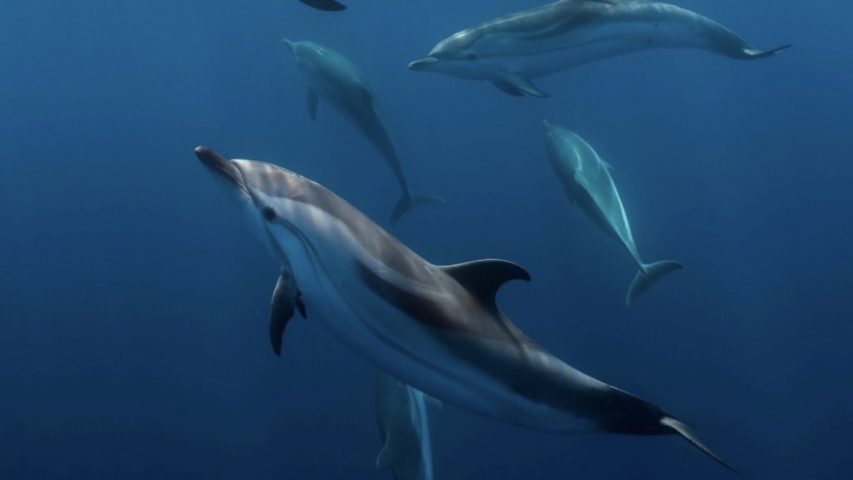
Managing a continuous marine environment across disparate national jurisdictions has long been a complex challenge in international environmental governance. At the center of this effort is the Pelagos Sanctuary, a sprawling 87,500 km transboundary maritime territory encompassing the coastal waters of Monaco, France, and Italy. Characterized by dense, plankton-rich corridors, the sanctuary is recognized by scientists as one of the Mediterranean's most vital habitats for a high concentration of marine mammals, including several species of whales and dolphins.
Despite its official protected status, the ecological integrity of the zone remains under continuous strain from external pressures. Documented stressors include accelerating climate change, heavy commercial maritime traffic, and intense human developmental activities along the regional coastlines. Analysts and scientific experts emphasize that mere territorial designation is insufficient; long-term ecosystem stability requires robust scientific data, highly synchronized regional action, and consistent cross-border cooperation.
To bridge the gap between regulatory policy and localized protection, the Pelagos Initiative was launched in 2021. This dedicated civil society coalition was founded through a partnership between the Prince Albert II of Monaco Foundation, the World Wide Fund for Nature (WWF), the International Union for Conservation of Nature (IUCN), and the Mediterranean Marine Protected Areas Network (MedPAN).
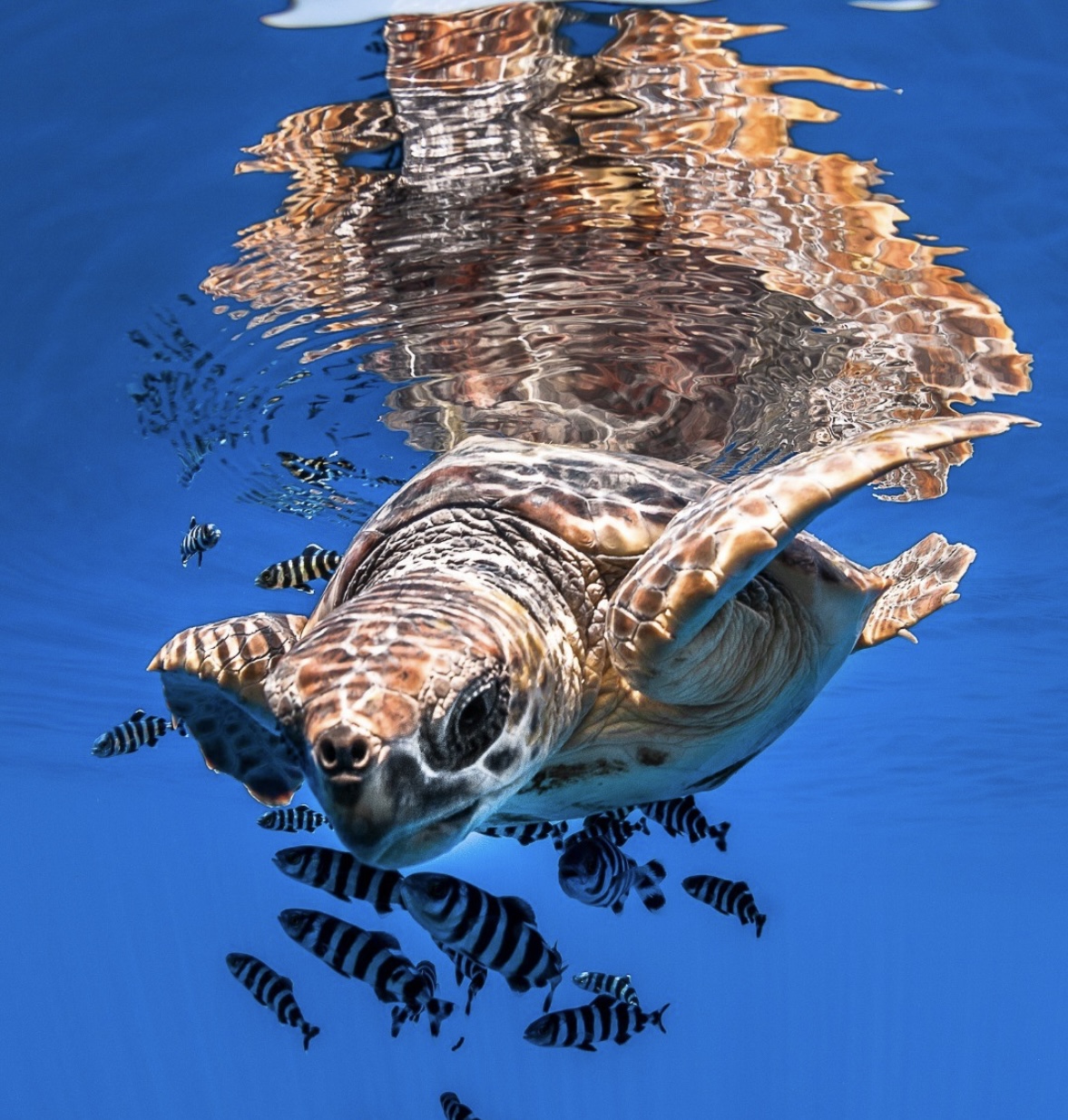
The primary mission of the initiative is to coordinate a multi-stakeholder framework that pools international expertise and secures necessary funding for targeted conservation projects. By directly channeling resources into concrete regional operations, the coalition aims to reinforce marine mammal conservation efforts and systematically strengthen environmental safeguards across all 87,500 km of the sanctuary.
Photo Credits: Frédéric Larrey / Greg Lecoeur