

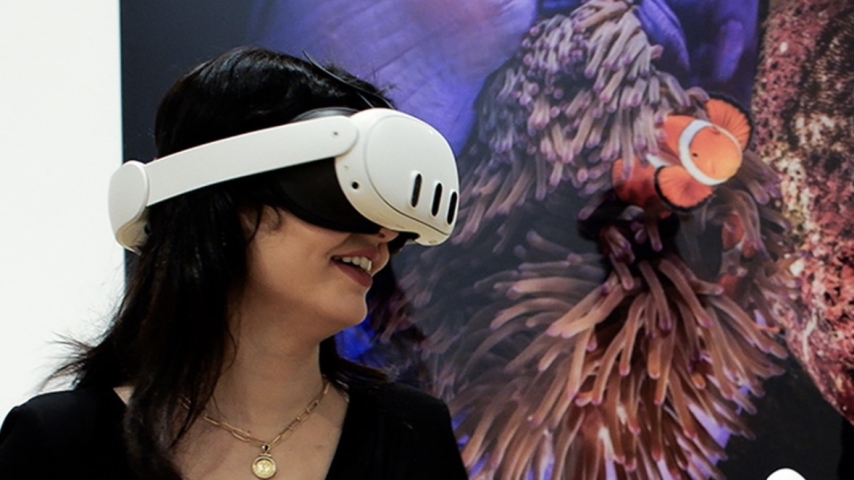
In an age where environmental degradation often unfolds beyond human sight - deep beneath the waves or along fragile, inaccessible coastal shelves - the challenge of ecological stewardship is as much about imagination as it is about policy. Public engagement requires not merely scientific consensus, but a vivid, sensory understanding of what stands to be lost.
At the Oceanographic Museum of Monaco (Musée océanographique de Monaco), that challenge is being addressed through immersive technology. As part of its landmark exhibition "Méditerranée 2050," the institution features ImmerSEAve VR, a virtual reality experience that allows visitors to dive into the heart of a Marine Protected Area (Aire Marine Protégée) without leaving dry land.
The initiative highlights a growing trend in public science education: leveraging virtual reality to cultivate ecological empathy. By transporting viewers into a digital recreation of thriving marine habitats - complete with protected flora and fauna - the exhibit transforms abstract conservation targets into an immediate, lived experience.
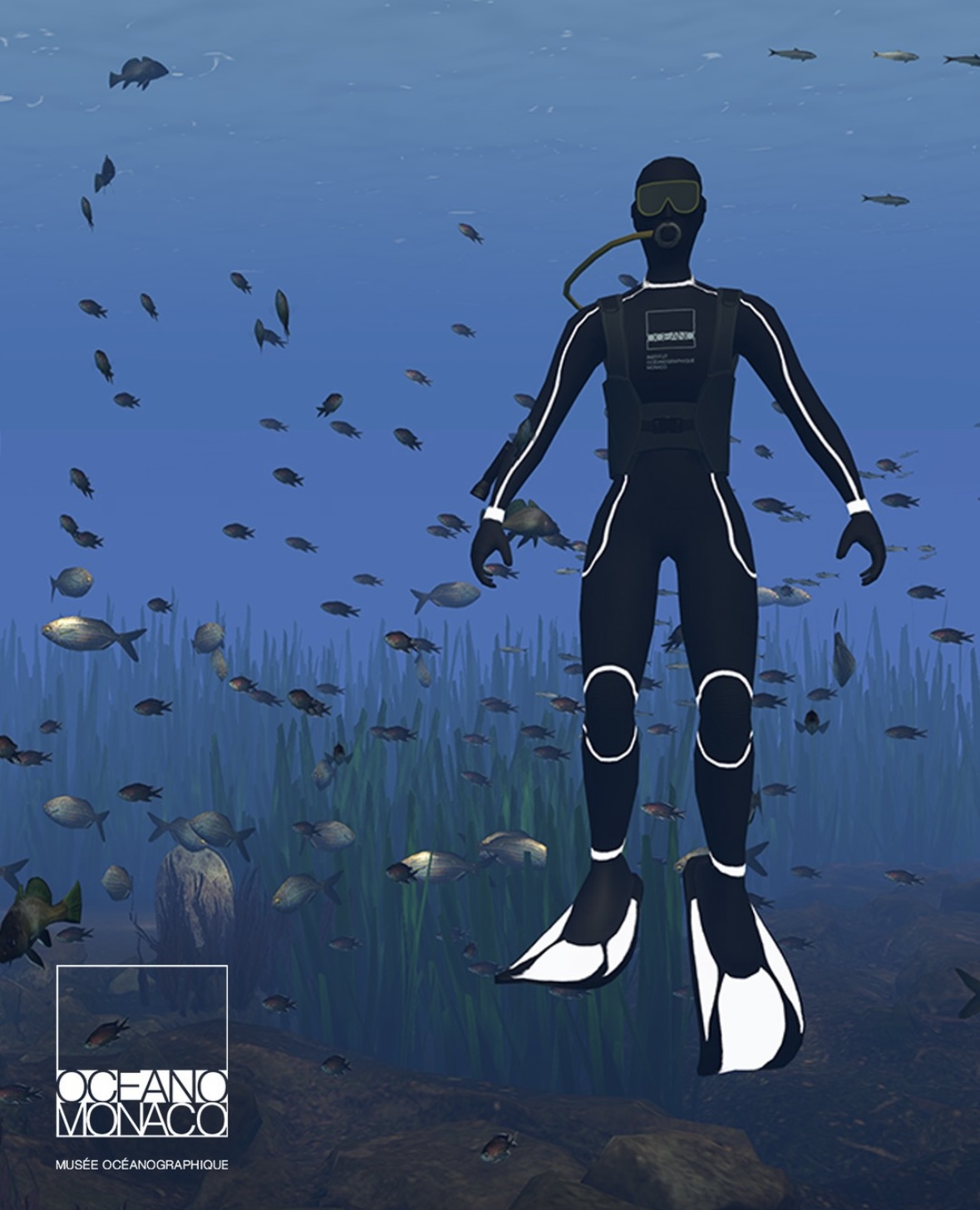
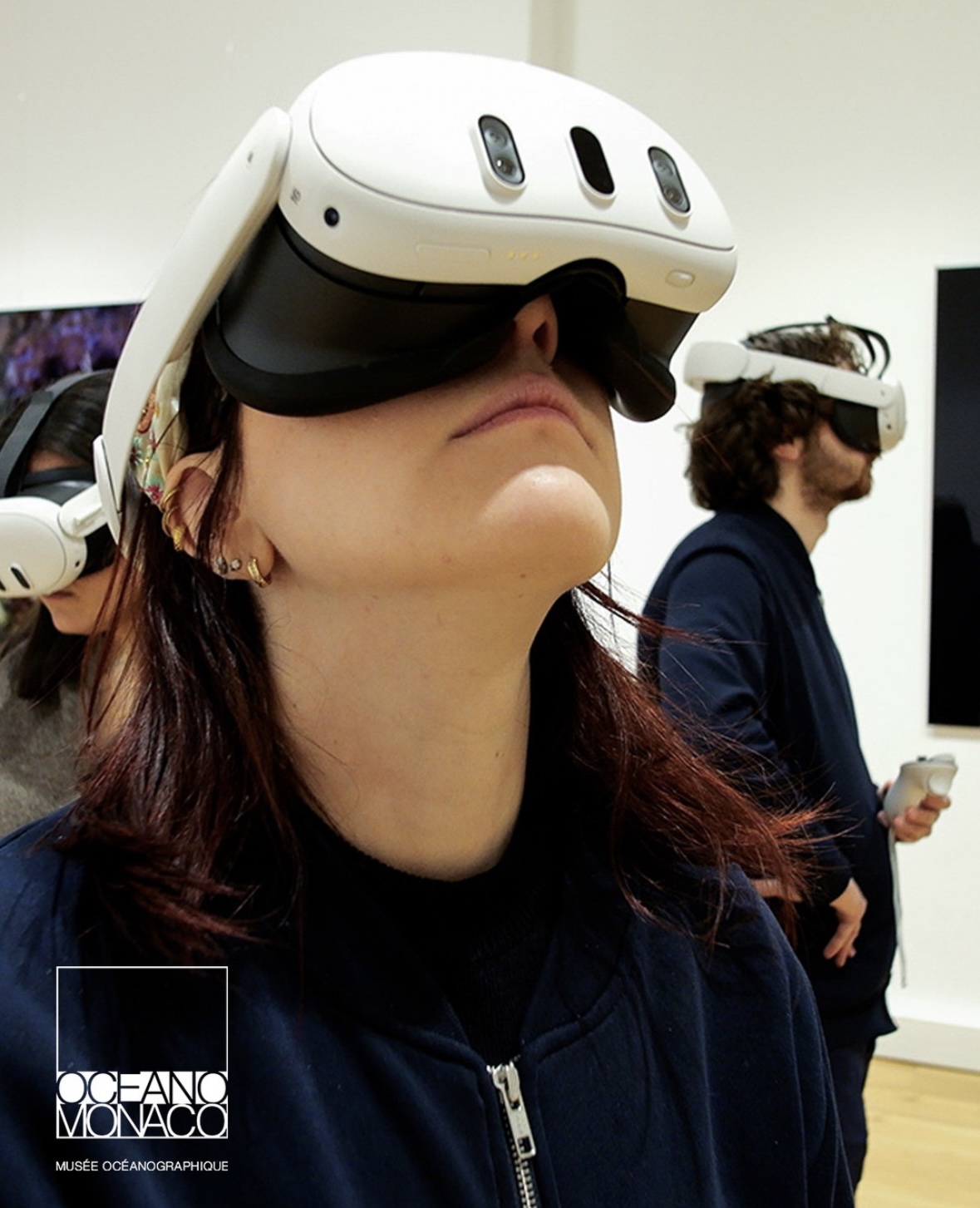
For the Mediterranean, a basin under acute pressure from climate change, maritime transport, and overexploitation, such public engagement is vital. Marine Protected Areas are proven mechanisms for ecosystem recovery, yet their success relies heavily on sustained political will and public awareness. By bridging technological innovation with environmental advocacy, Monaco’s Oceanographic Museum demonstrates how digital tools can turn passive observers into informed advocates for ocean preservation.
Photo Credits: Monaco’s Oceanographic Museum Instagram