

©GemGeneve
For four days in May, Geneva became the centre of the jewellery world as GemGenève 2026 returned to Palexpo for its landmark tenth edition. From 7 to 10 May 2026, dealers, collectors, designers, gemmologists and artisans gathered beneath one roof to celebrate exceptional stones, historic jewels and the enduring artistry behind them.
What set GemGenève apart from many international trade fairs was the atmosphere. Despite welcoming more than 240 exhibitors from across the globe, the event retained an intimacy rarely found in the luxury sector. Conversations unfolded slowly over trays of unmounted sapphires and antique diamonds, while collectors examined stones with jewellers who had often spent decades sourcing them.
Founded by Thomas Faerber and Ronny Totah, GemGenève was created with the intention of rethinking the traditional jewellery fair format. The organisers removed oversized stands and rigid hierarchies, ensuring that established houses and emerging talents shared equal visibility. That philosophy remained visible throughout the tenth edition.
The true stars of the exhibition, however, were undoubtedly the gemstones themselves. Coloured stones dominated the halls this year, reflecting a market increasingly drawn toward rarity, individuality and vivid natural colour. Dealers from Brazil, Colombia, Thailand, Sri Lanka and Hong Kong presented extraordinary specimens that attracted seasoned collectors as well as first-time buyers eager to move beyond traditional white diamonds.
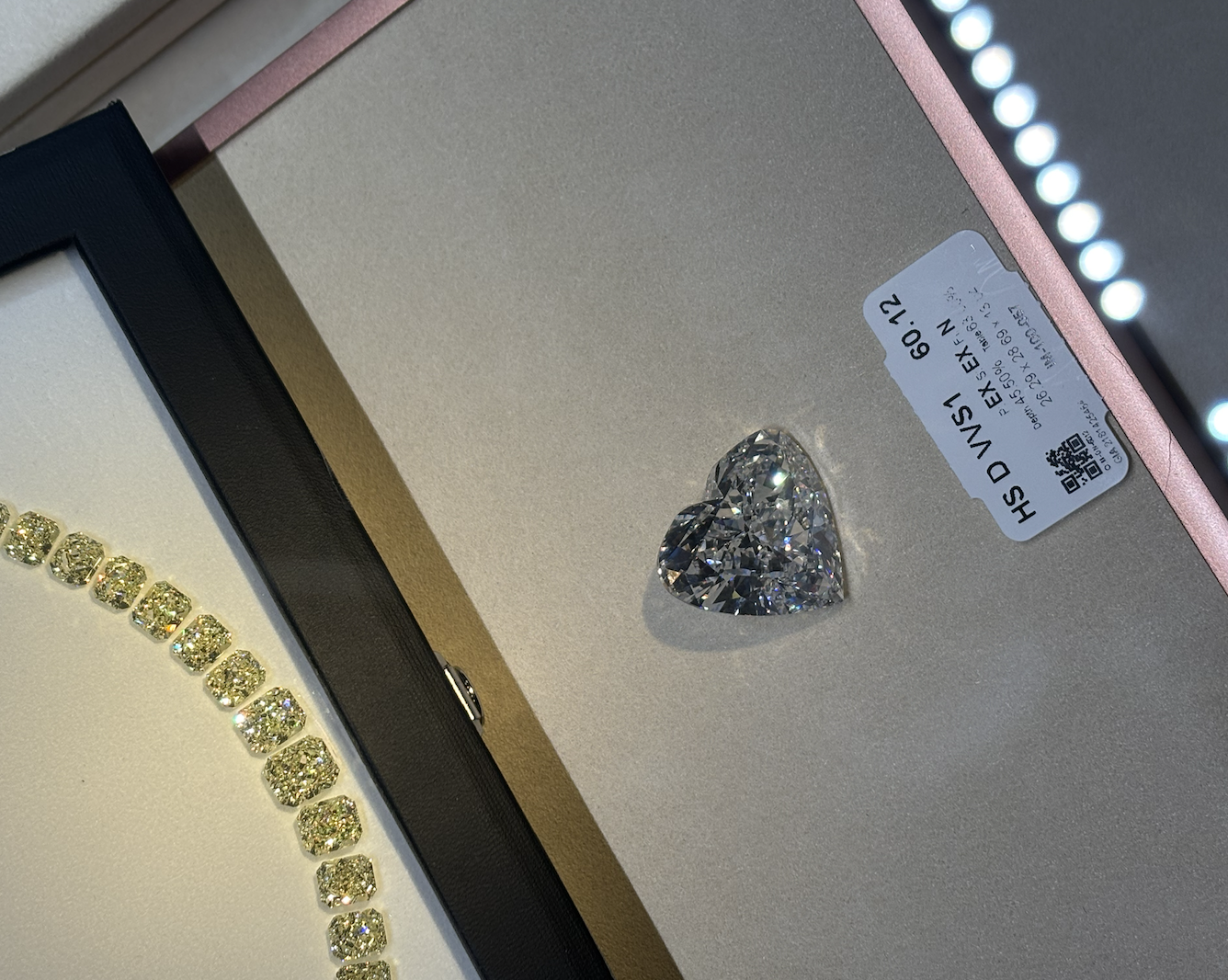
Among the most admired exhibitors was Brazilian family firm Duarte & Bastos, which showcased luminous Paraiba tourmalines, richly saturated chrysoberyls and Santa Maria aquamarines from Minas Gerais. Their electric-blue Paraibas, glowing almost neon beneath the lights, became one of the talking points of the fair. Nearby, Bangkok-based Sukhadia Stones displayed exceptional rubies and sapphires, including a striking unheated heart-shaped ruby from Mozambique weighing more than eight carats.
Emeralds also drew constant attention throughout the exhibition. New York and Bogotá-based specialist EMCO presented finely matched Colombian emerald pairs alongside important individual stones of remarkable clarity and depth of colour. Dealers noted a growing appetite among collectors for untreated stones with strong provenance, particularly Colombian emeralds and Kashmir sapphires, both increasingly difficult to source.
One of the strongest themes running through GemGenève 2026 was the continuing rise of coloured diamonds. Pink, blue and green diamonds appeared across several stands, reinforcing the segment’s growing importance within the high jewellery market. Antwerp-based dealer AMC unveiled part of its celebrated Kao Legend Collection, cut from a 108-carat pink rough diamond discovered in Lesotho. The centrepiece — an intense purplish-pink diamond weighing more than twenty carats — became one of the exhibition’s most photographed stones.
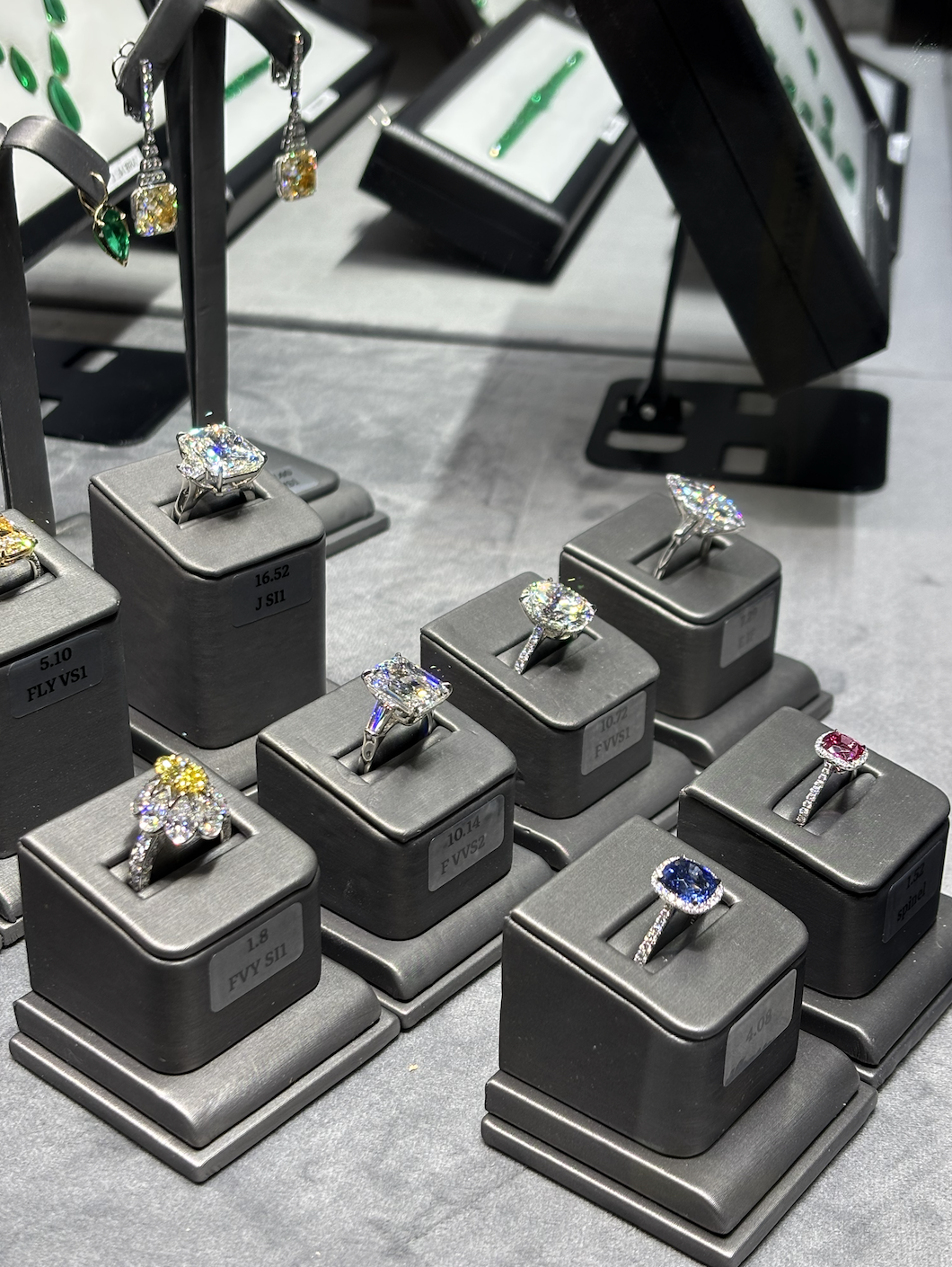
Dealers explained that the closure of Australia’s Argyle mine in 2020 had transformed the pink diamond market entirely, pushing collectors toward increasingly rare alternative sources such as Lesotho and Botswana. Blue diamonds from the Cullinan mine in South Africa and vivid yellow stones from Canada also generated considerable interest among investors attending the fair.
Beyond rarity and investment value, GemGenève placed strong emphasis on craftsmanship and transmission of knowledge. The fair’s expanded Knowledge Village invited visitors behind the scenes of jewellery-making through live demonstrations and exhibitions dedicated to disappearing métiers d’art. Enamellers, engravers, setters and lapidaries worked openly in front of visitors, transforming raw materials into finished pieces over the course of the four-day event.
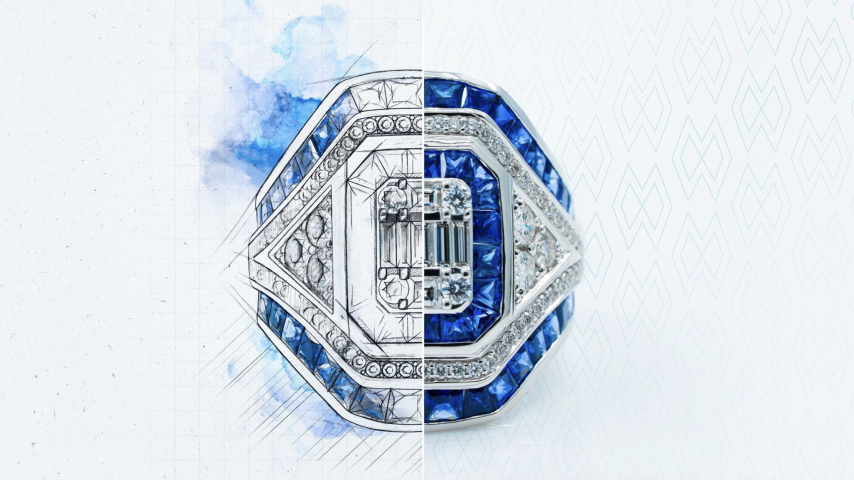
One of the highlights was Prismatica, a collaborative project bringing together four artisans — including enameller Matteo Stauffacher — who created a jewel entirely by hand during the exhibition. Visitors were able to observe every stage of the process, from engraving and stone setting to enamel work, offering a rare glimpse into techniques usually hidden behind workshop doors.
The event also explored the historical relationship between minerals, craftsmanship and art through the exhibition Shaping Matter, Enhancing Beauty. Organised in collaboration with the Baur Foundation Museum of Far Eastern Art and Geneva’s Museum of Art and History, the display brought together more than one hundred objects, including Qing dynasty jade carvings, Art Deco accessories, cameos and lacquer pieces.
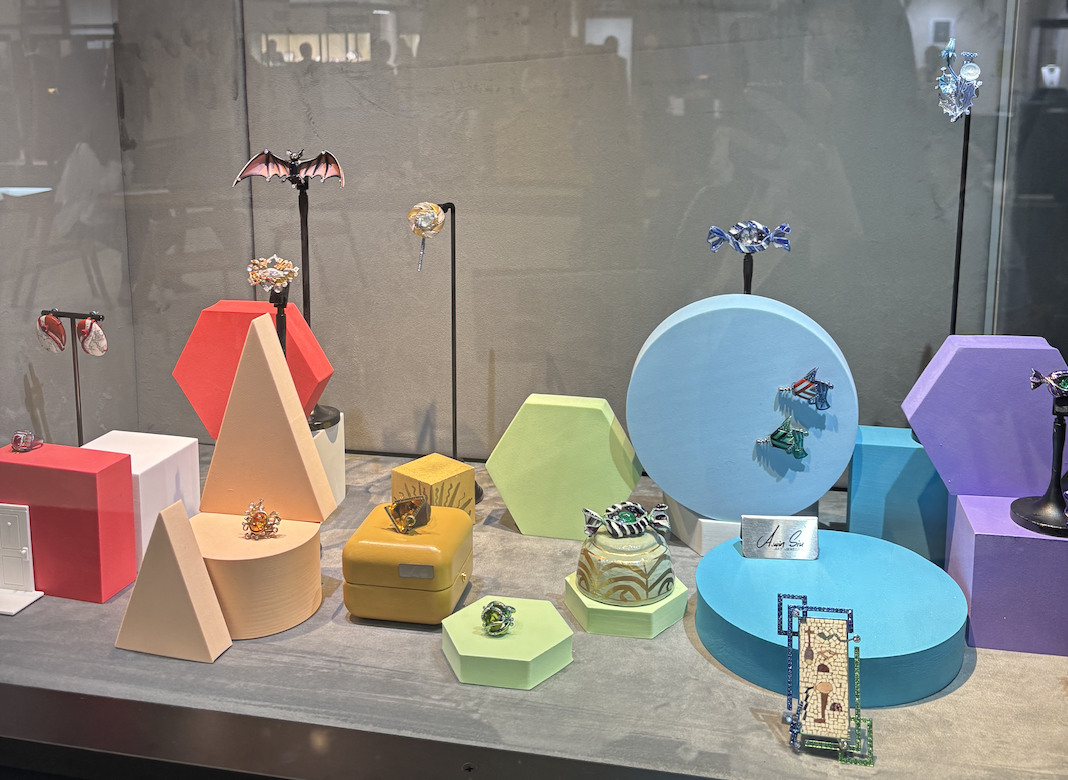
Young designers remained central to the spirit of GemGenève. Students from Geneva’s University of Art and Design (HEAD) presented contemporary jewellery inspired by stage costumes from the Grand Théâtre de Genève, while independent creators in the Designers’ Village introduced bold new approaches to coloured stones and unconventional materials.
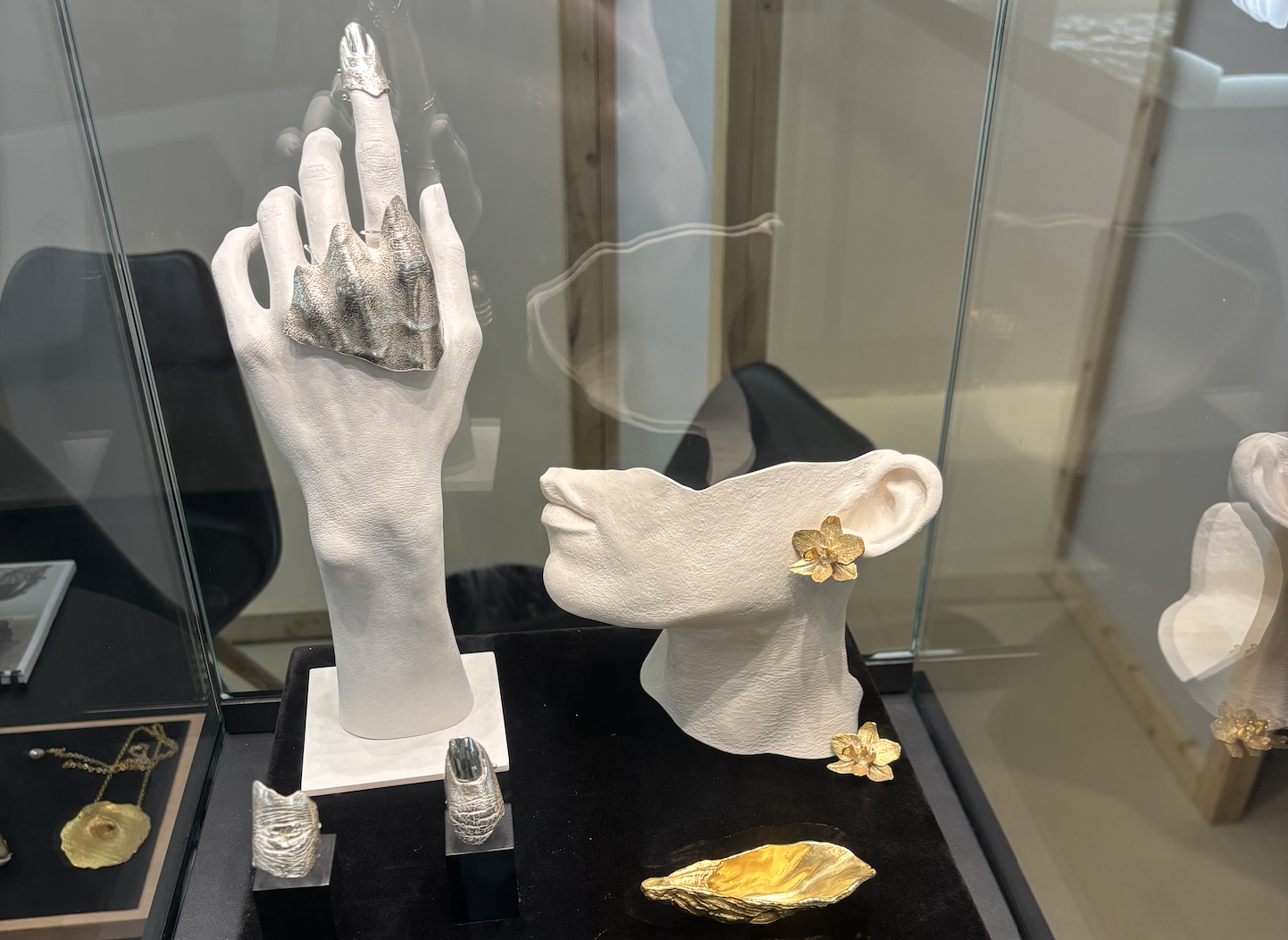
As the fair closed its doors on Sunday evening, GemGenève once again proved that the future of high jewellery may lie not only in rarity and value, but in storytelling, craftsmanship and human connection. In an era increasingly shaped by digital transactions and virtual luxury, the exhibition reminded visitors that nothing replaces the experience of holding an extraordinary stone in one’s hand and hearing the story behind it directly from the people who devoted their lives to finding it.