
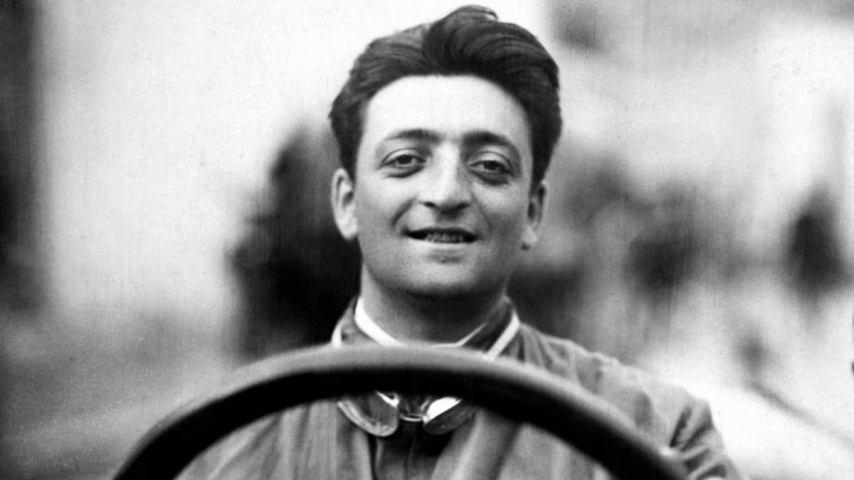
Photo credits: Montblanc. Enzo Ferrari
Secrets of Success, Love, and Life: The Legacy of the World’s Visionaries. A recurring Monaco Voice column exploring the lives, achievements, and philosophies of the world’s most influential visionaries, uncovering the secrets behind their success and enduring legacies curated by actress Vladyslava Garkusha.
Enzo Ferrari belongs to that rare category of figures whose name outgrew the man himself. Long before it became shorthand for speed and aspiration, Ferrari was the surname of a reserved boy from Modena - a child shaped by loss, discipline, and an early encounter with destiny that would define the modern mythology of the automobile.
A Childhood Marked by Industry and Fragility
Enzo Anselmo Ferrari was born on February 18, 1898, in Modena, Italy, to Alfredo Ferrari, a metalworker who owned a small manufacturing business, and Adalgisa Bisbini, a disciplined, pragmatic woman who ran the household and profoundly shaped her son’s reserved and controlled temperament.
His upbringing was modest but industrious, embedded in the rhythms of early Italian industrial life. His father’s workshop exposed him early to mechanics, precision, and the dignity of craft - values that would later permeate his approach to engineering and leadership.
At the age of ten, Ferrari attended his first motor race, the Circuito di Bologna, an experience he later described as decisive. From that moment, he resolved to become a racing driver. Yet his path was far from romantic. In 1916, when Enzo was just eighteen, both his father and older brother Alfredo died during an influenza outbreak. The loss abruptly ended his formal education and forced him into premature adulthood. These early bereavements - instilled in him a lifelong emotional reserve and an almost stoic relationship with ambition.
War, Illness, and a Reluctant Beginning
Ferrari’s early adulthood coincided with the upheaval of World War I. He served in the Italian army as a horseshoe fitter, only to be discharged after falling ill with pleurisy. The war left him physically weakened and economically adrift. His initial attempts to find work in the automotive sector were unsuccessful; Fiat famously rejected him.
Eventually, Ferrari joined Alfa Romeo, first as a test driver and later as a racing driver and team manager. Though his personal success as a driver was modest, his talent for organization, talent scouting, and technical intuition soon became evident. By the late 1920s, he had founded Scuderia Ferrari, originally conceived not as a car manufacturer but as a racing team that supported gentleman drivers competing in Alfa Romeo cars.
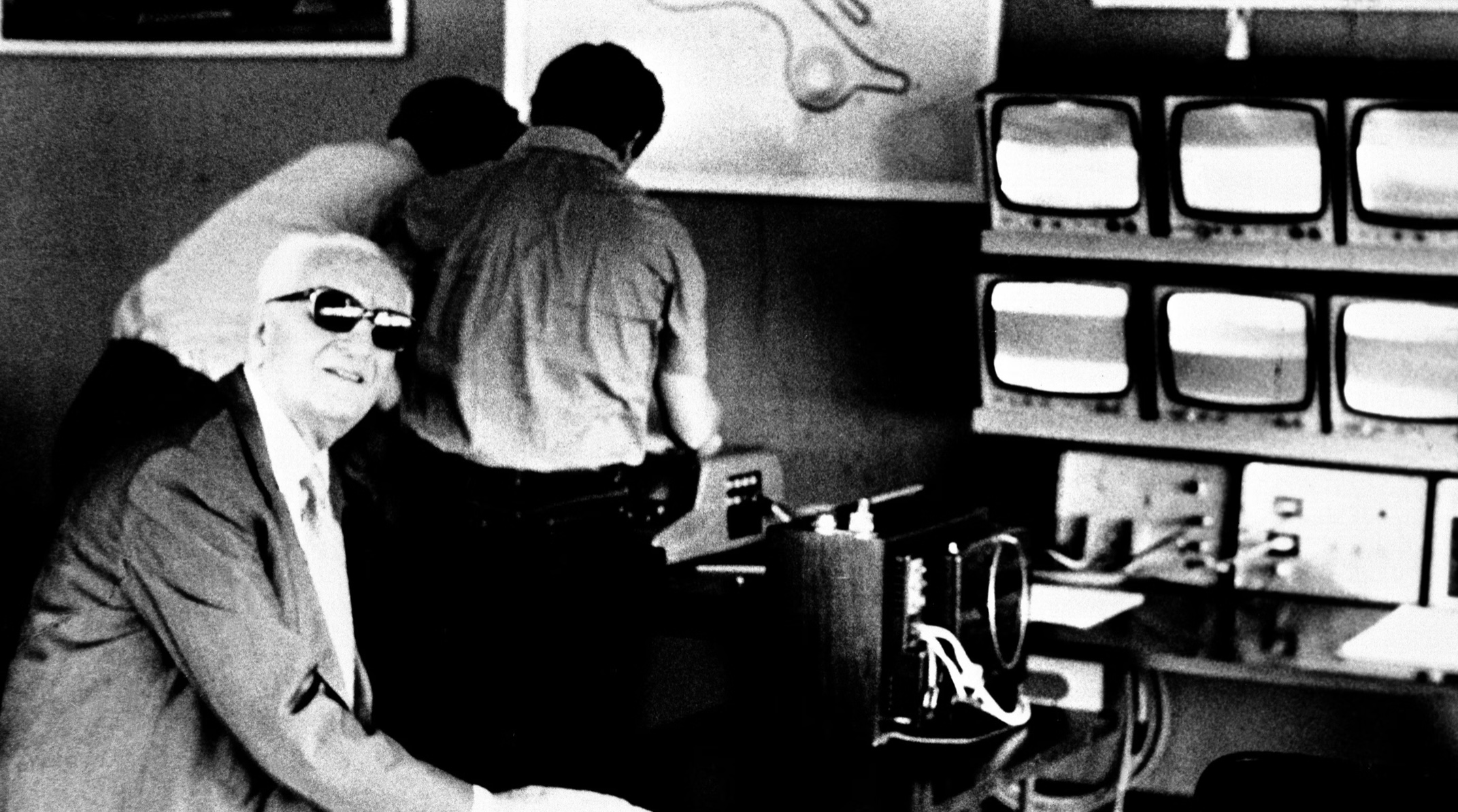
Photo credits: Ferrari
Marriage, Fatherhood, and Private Contradictions
In 1923, Ferrari married Laura Dominica Garello, a woman of strong character who played a decisive role in his early career. The couple first met around 1921 in Turin. At the time, Enzo was starting as a racecar driver, while Laura worked as a dancer.
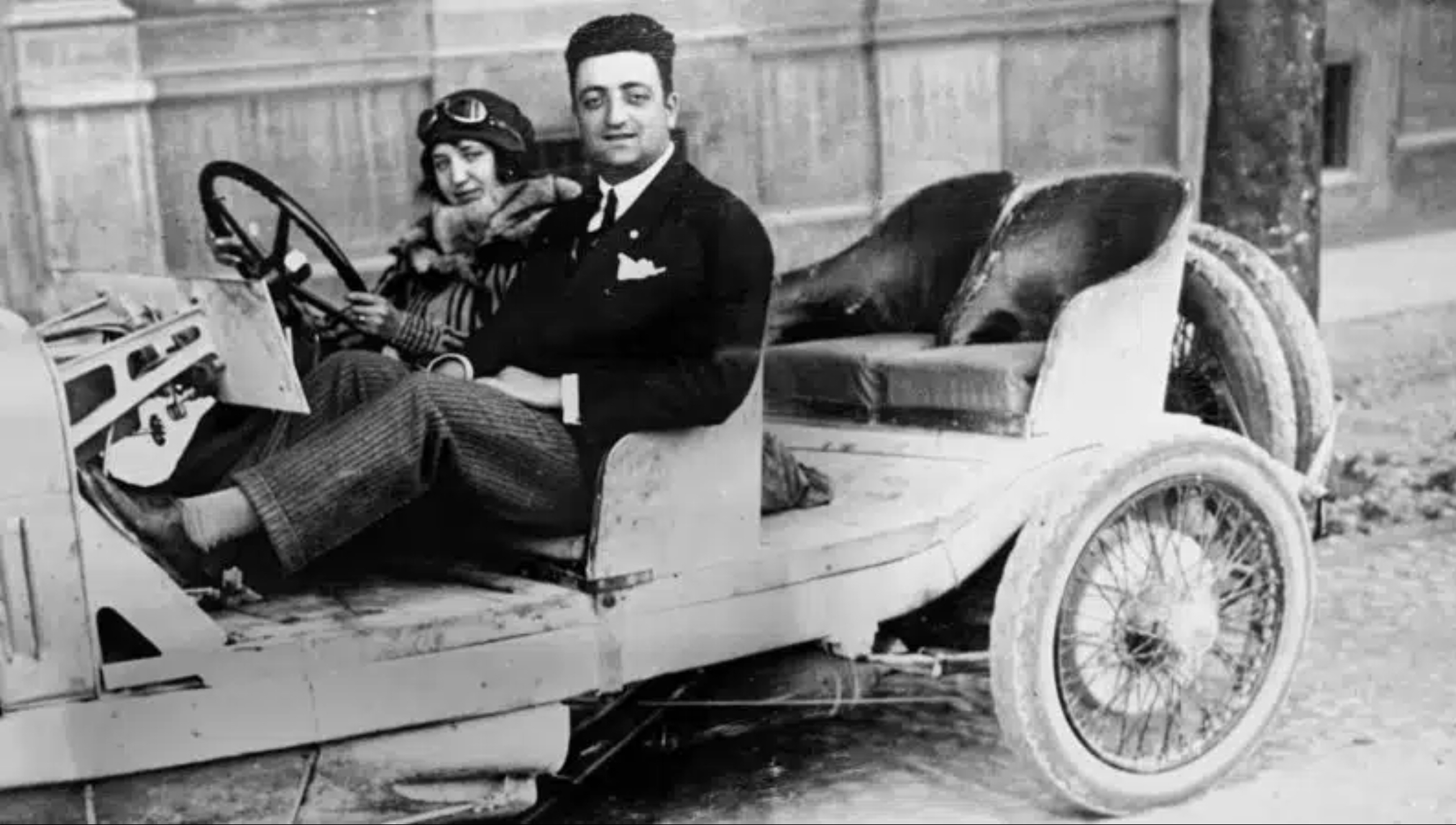
Photo credits: MotorSport. Laura Dominica Garello and Enzo Ferrari.
In 1932, they welcomed a son, Alfredo Ferrari - known as Dino - whose health would become a central emotional axis in Ferrari’s life. Dino suffered from muscular dystrophy, a condition that progressively limited his physical abilities. Despite his illness, he studied engineering and contributed meaningfully to Ferrari’s technical development, particularly in the design of smaller V6 engines. Dino’s death in 1956, at the age of 24, was a profound personal tragedy. Ferrari would later name a series of engines and models after him, not as marketing gestures, but as acts of remembrance.
During his marriage, Ferrari also maintained a long-term relationship with Lina Lardi, with whom he had a second son, Piero, born in 1945. Because Italian law did not permit recognition of children born outside marriage under such circumstances, Piero initially carried his mother’s surname and only officially became Piero Ferrari after Laura Ferrari’s death in 1978. Today, Piero Ferrari remains vice chairman of Ferrari S.p.A., a living continuation of Enzo Ferrari’s lineage.
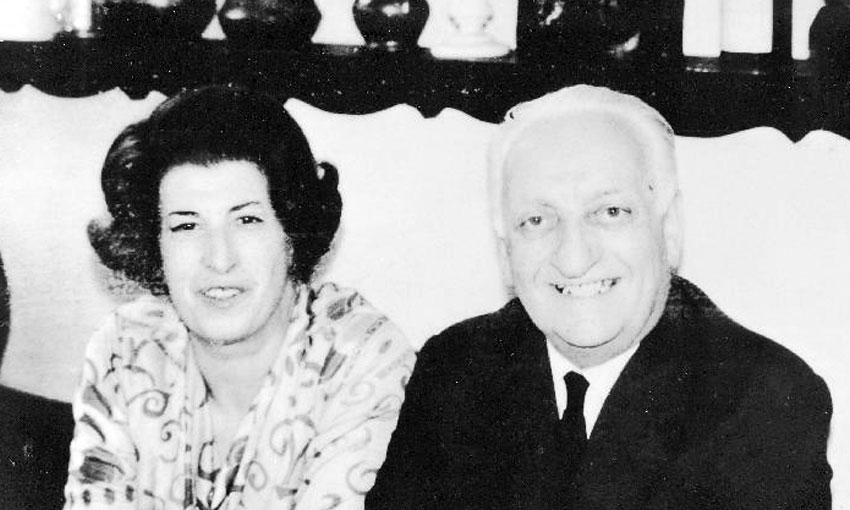
Photo credits: F1race. Lina Lardi and Enzo Ferrari.
Control, Distance, and Emotional Reserve
Ferrari was known for maintaining emotional distance, both professionally and personally. He cultivated authority through formality and silence rather than charm. Former colleagues often described him as remote, even severe, yet deeply loyal to those who proved themselves indispensable.
This temperament extended into his management philosophy. Ferrari believed competition was essential to excellence and often fostered internal rivalries among his drivers. While controversial, this approach contributed to Ferrari’s dominance in Formula One and endurance racing during the 1950s and 1960s.
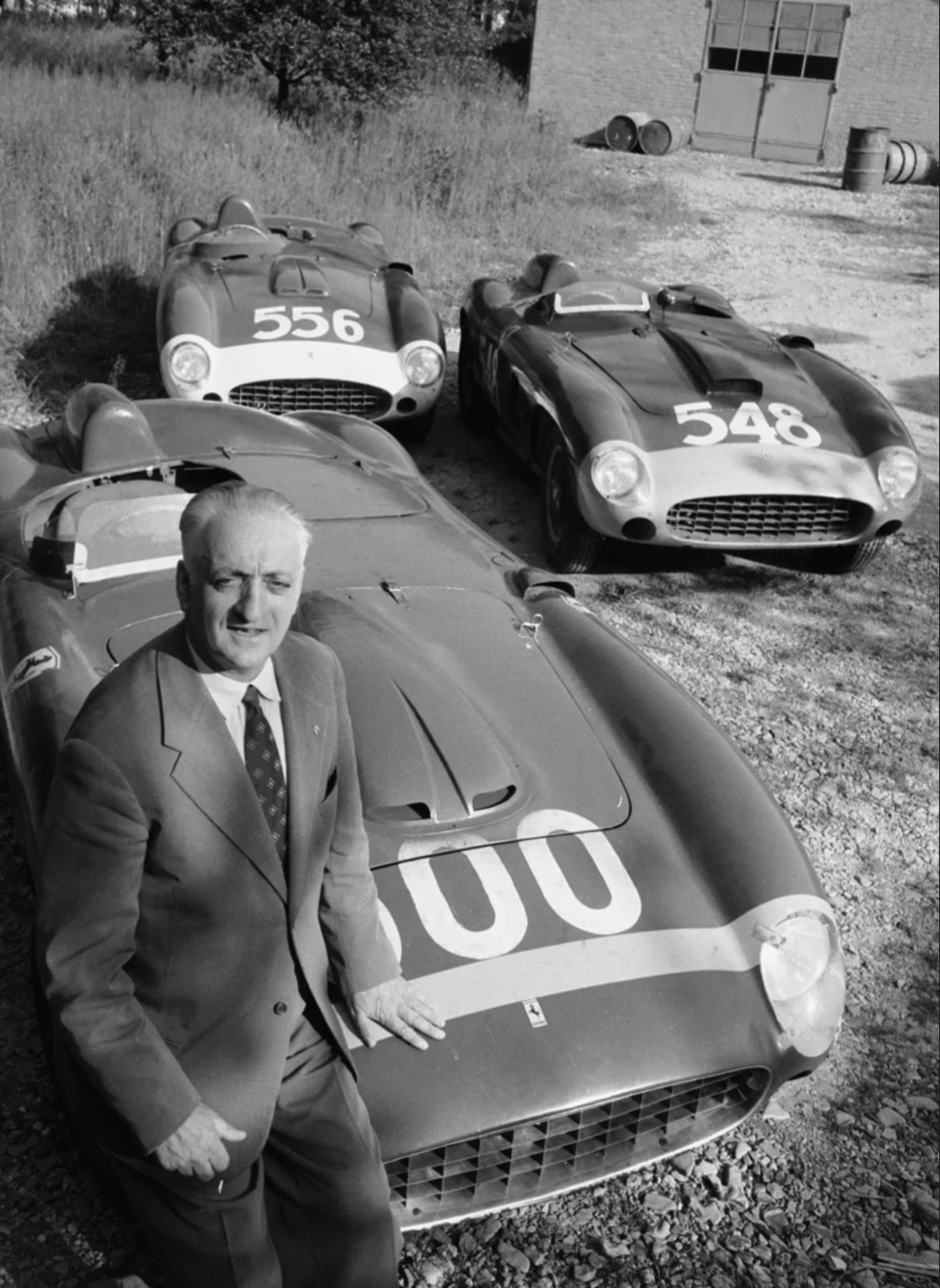
Photo credits: Thomas D Mcavoy/The LIFE Picture Collection/Shutterstock.com. Enzo Ferrari with some of his race cars, 1956.
Legacy Beyond the Man
Enzo Ferrari died on August 14, 1988, in Maranello, at the age of 90. By then, Ferrari had become more than a company: it was a cultural institution, a symbol of Italian ingenuity, and a benchmark for performance engineering. Although he sold a controlling stake in the company to Fiat in 1969, Ferrari retained decisive influence until his final years.
What endures is not merely the brand, but the philosophy behind it - an unwavering commitment to excellence, a belief in competition as a moral force.
We do not encounter a flawless hero, but a disciplined, driven, and profoundly human figure - one whose inner restraint shaped machines that continue to stir emotion across generations. As Ferrari himself said, “You cannot describe passion; you can only live it.”